Let’s be honest for a moment. We’ve all been there—staring at a forty-pound tub of powder in a posh health shop, wondering if we’re buying “youth” or just very expensive dust. The marketing is a juggernaut. If you believe the adverts, collagen is the miracle glue that fixes everything from saggy jowls to brittle nails. Indeed, Boots UK recently noted that collagen sales increased sixty-two per cent in just the past year. So, it can be said that people are clearly buying into the dream.
But here’s the thing. Your body’s a little cynical. It does not recognise a “beauty supplement”; it recognises an invading protein that must be dismantled. And the big question we’re fact-checking today is: Do collagen supplements actually improve skin health, or are we simply subsidising a very profitable fairy tale?
To understand the truth here, we need to go beyond influencers and deep into the latest clinical data from early 2026.
The Scaffolding of Your Face
Think of collagen as the literal scaffolding of your skin. It makes up about seventy-five per cent of your skin’s dry weight. When you’re twenty, that scaffold is steel-strong. By the time you’re forty, it’s more like a rickety wooden fence. Every year after twenty-five, we lose about one per cent of our natural supply.
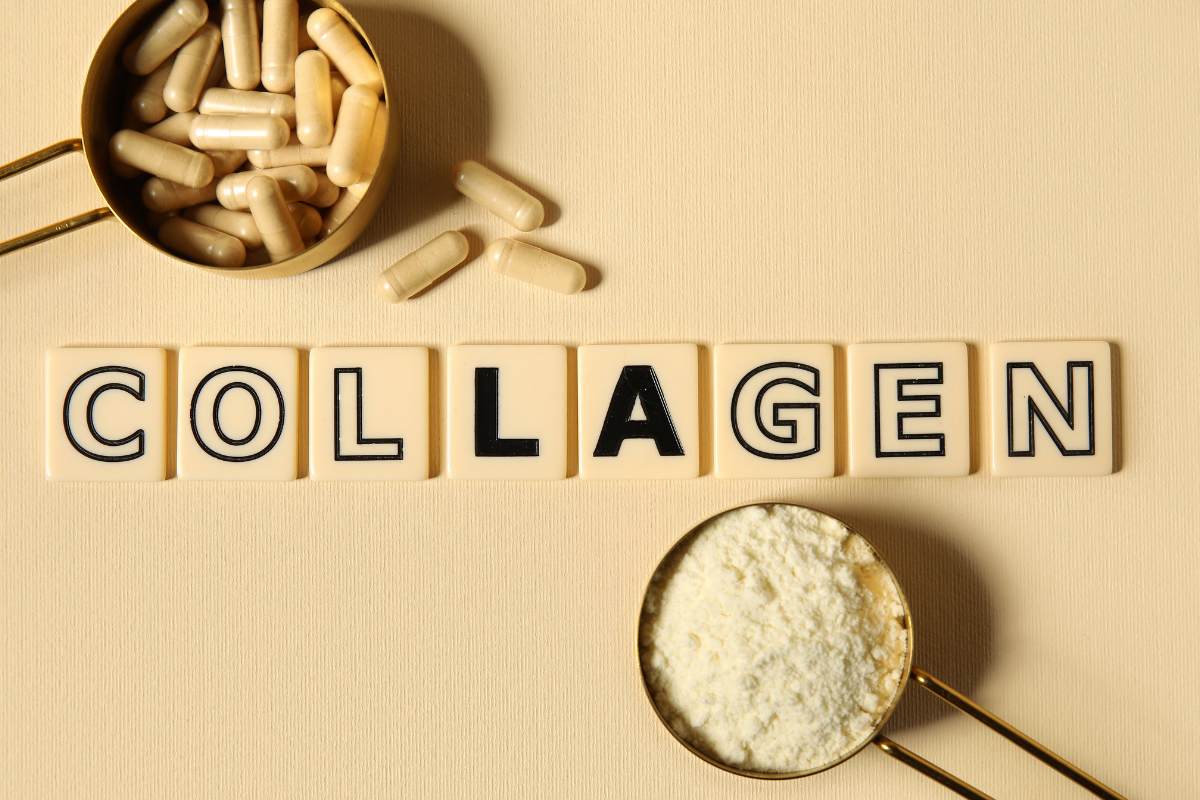
The supplements claim they can “restock” the warehouse. It sounds plausible, but the biology is a lot more complicated than just “eating skin to get better skin.” You can’t just swallow a steak and expect it to become a bicep, and you can’t just swallow collagen and expect it to become a cheekbone.
Also read: Facts Check: Does 5G Network Really Cause Health Problems?
The Digestive Meat-Grinder: How It Works
When you swallow a pill or a powder—usually hydrolysed collagen peptides—it doesn’t just float to your face. Your stomach is a literal acid bath. It breaks that collagen down into tiny fragments called amino acids.
Now, the theory is that these specific fragments act as a “false alarm.” Once they hit your bloodstream, they supposedly trick your body into thinking there’s been a massive injury, which kicks your repair cells, called fibroblasts, into high gear. It’s a clever theory. But your body is also practical. If your muscles or organs need those amino acids more than your forehead does, your face is going to lose out. Your DNA is the project manager here, not the supplement.
What the 2026 Science Actually Says
For years, the evidence was, frankly, a bit rubbish. Most studies were small or funded by the people selling the stuff. But everything changed in late February twenty-twenty-six. A massive Umbrella Review in the Aesthetic Surgery Journal looked at over one hundred clinical trials with nearly eight thousand people.

The results? Surprisingly decent. The review found that if you take two-and-a-half to five grams daily for at least ninety days, you will likely see:
- Bouncier Skin: A measurable improvement in elasticity.
- Better Hydration: Your skin actually holds onto water better.
- Thicker Dermis: The “meat” of your skin gets a bit denser.
The researchers were quite clear that this isn’t an overnight fix. You have to be consistent. If you take it for a week and stop, you’ve essentially just had a very expensive snack.
Also read: Facts Check: Can Home Remedies Really Cure Cancer?
The “No” List: What It Won’t Fix
Don’t get too excited, though. The science was very clear about what collagen cannot do. It won’t touch deep-set wrinkles that have been there for a decade. It won’t fix rough texture. And it definitely won’t act as a “liquid facelift.” If you’re expecting to look twenty again, you’re going to be disappointed. It’s a subtle improvement in “bounce” and “glow,” not a total transformation.
Supplements vs a Proper Roast Dinner
Can’t you just eat more chicken skin or bone broth? Well, yes and no. The collagen in food is “long-chain.” It’s tough to digest. Supplements are “hydrolysed”, meaning they’ve been pre-chewed by enzymes so your gut can absorb them easily.

The real alternative? Vitamin C. Listen, you could eat a bucket of collagen, but if you’re low on Vitamin C, your body can’t build a single strand of new skin. It’s the essential “builder” that puts the bricks together. Most dermatologists will tell you that a bell pepper is just as important as a supplement scoop.
| Feature | Collagen Supplements | Bone Broth / Natural Food |
| Form | Hydrolysed Peptides | Complex Proteins |
| Absorption | High (High bioavailability) | Variable |
| Cost | £25–£50 per month | Very cheap |
| Scientific Backing | Strong (for skin metrics) | Limited for specific skin results |
Also read: How Your Blood Type Can Affect Your Health
Who’s Actually Going to See Results?
If you’re in your early twenties, save your money for a holiday. You’re already a collagen factory. The people who actually notice a difference are:
- Post-menopausal women: When oestrogen drops, collagen plummets—sometimes losing thirty per cent in just five years.
- The Over-Forties: When the natural “scaffold” starts to wobble.
- People in Polluted Cities: Environmental stress eats collagen for breakfast, so extra support can help.
The Fishy Side Effects and Sourcing
Collagen is generally very safe, but there are a few niggles. Marine collagen is all the rage in the UK right now because it’s supposedly “more bioavailable”. But if you have a shellfish allergy, it’s a nightmare. Some people also complain of a lingering fishy aftertaste or a bit of a bloated belly.
Then there’s the “bovine” vs “marine” debate. Bovine (cow) collagen tends to be less expensive and has better benefits for joints, whereas marine (fish) collagen is often favoured for skin because its molecules are somewhat smaller. Always look where the stuff comes from — cheaper brands can be a little shaky on heavy metal testing, especially when it comes to mercury in fish sources.
Also read: Did the UK Actually Start a 4-Day Work Week? Here’s the Ground Reality
Marketing vs. Reality: The “Gummy” Trap
The beauty industry loves a shortcut. You’ll see “Collagen Gummies” that look like sweets and taste like strawberries. The problem? Because most of them contain only about 500 milligrams of collagen.
If you want to see a result, science says you need 2500 mg (two and a half grams) at a minimum. You would have to consume the entire jar to obtain a clinical dose. In all honesty, stick to powders or high-dose liquids if you mean business. The gummies are mostly sugar and hope.
The Expert Verdict: SPF is Still King
Dermatologists are warming up to collagen, but they have a massive caveat. Dr Tamara Griffiths of the British Association of Dermatologists points out that UV rays destroy collagen faster than you can eat it.
If you’re spending fifty pounds a month on supplements but not wearing SPF fifty every morning, you are literally throwing your money in the bin. The sun is the number one collagen killer. You’re trying to fill a bucket that has a massive hole in the bottom. Fix the hole first.
Identifying the Red Flags
When you’re shopping for these things, look for “Type One” and “Type Three” collagen. Those are the ones your skin actually uses. If a brand claims to have “Vegan Collagen,” be careful.
Authentic collagen only comes from animals. What they usually mean is “Vegan Collagen Builders,” which are just vitamins that help your body make its own. They aren’t bad, but they aren’t the same thing as the peptides used in the successful trials.
The Final Verdict
Claim: Do collagen supplements actually improve skin health?
Verdict: TRUE (But it’s a slow burn, not a miracle).
The 2026 data confirms that yes, they work. But they aren’t a magic wand. They are a “support” tool. If you have the budget, and you’re already doing the boring stuff—like wearing sunscreen and getting eight hours of sleep—then a high-quality peptide powder is a scientifically backed “extra.” If you’re looking for a miracle cure for ageing, you’re better off looking at retinoids and lasers.
Anyway, that’s the state of the nation on collagen. It’s not all snake oil, but it’s definitely not magic. It takes about three months of daily use to see even a tiny bit of “bounce” in the mirror. So, is it worth it? If you’ve got the spare cash and realistic expectations, sure. But don’t expect to wake up looking like a different person.
Frequently Asked Questions
Is marine collagen better than bovine?
Marine is frequently marketed as superior due to smaller molecules; however, bovine is equally effective for many and often significantly less expensive.
Does it matter what time of day I take it?
Not really. Consistency is king. Be it morning coffee or evening tea, just remember to take it.
Can I take it while pregnant?
Most experts agree that it’s safe, but some companies have added herbs or unusual doses of other vitamins that may not be great. Always speak with your midwife first.
Will it fix my hair and nails?
The hair evidence is actually quite weak compared to skin. It might help, but don’t bank on it. Most people notice it in their nails first, then their skin.
Sources and References
- Ravindran, R., et al. (February 2026). Collagen Supplementation for Skin and Musculoskeletal Health: An Umbrella Review of Meta-Analyses on Elasticity, Hydration, and Structural Outcomes. Aesthetic Surgery Journal Open Forum. Read the study summary here.
- Boots UK (February 2026). Beauty & Wellness Trends Report 2026. Boots Newsroom. View the trend report.
- Science Media Centre (February 2026). Expert Reaction to Review Study Looking at Collagen Supplements and Skin Health. Read expert commentary.
- Professional Beauty UK (March 2026). Collagen Supplements Improve Skin Elasticity but are “Not a Cure-All.” Industry analysis.
- Healthline (March 2026). Do Collagen Supplements Actually Improve Skin? Experts Weigh In. Fact-check report.
- Examine.com (February 2026). Collagen Peptides may Improve Skin Health in Middle-Aged Women. Research summary.