The health world moves fast, doesn’t it? One minute everyone’s obsessed with kale, the next it’s celery juice. But some things stay stuck in the shadows while others grab all the headlines. Green tea usually takes the trophy for being the ultimate health drink, but by April 2026, the data suggests we’ve been looking at the wrong leaf. While everyone else is busy chugging matcha, a much quieter player has been sitting on the sidelines with a nutrient profile that would make most “superfoods” look a bit lazy.
It is often known as the “Champagne of Teas”, not just because it’s a little more expensive, but because it’s handled with a level of care that other teas don’t get. This isn’t about a fancy drink — it’s about a leaf that’s mostly untouched by human machines. It stays pure. This Fact Check: What Are the Real Benefits of White Tea? is going to bin the marketing fluff and see if this brew actually delivers on those massive promises.
Listen, the reason white tea is a touchstone in 2026 isn’t complicated. It’s about not messing around. Where black tea is fermented and green tea is steamed or pan-fired, white tea is simply withered and dried. That’s it. No rolling, no crushing, no heavy processing. This means that the delicate antioxidants—the very things people drink tea for, really—aren’t beat up or crushed. It’s the closest you can get to consuming a fresh tea leaf without having to chew on a bush. If you want to get maximum bang for your buck, you should stop treating pale brew as an afterthought.
Key Takeaways: The Quick Truths
- The Processing Edge: It’s the least messed-with tea on the planet. More raw nutrients stay inside.
- The Heart Helper: Regular drinkers may see a roughly 21% lower risk of heart issues. Proper result, that.
- Skin & Teeth: It’s a natural source of fluoride and stuff that stops your skin from sagging.
- Caffeine Levels: Generally lower than green tea or coffee. A “softer” energy boost without the jitters.
- The Brewing Rule: Never use boiling water. It burns the benefits away. Aim for 75°C to 85°C.
Also read: Facts Check: Does Lemon Water Detox Your Body? The Detox Myth Explained
What are the Benefits of White Tea?
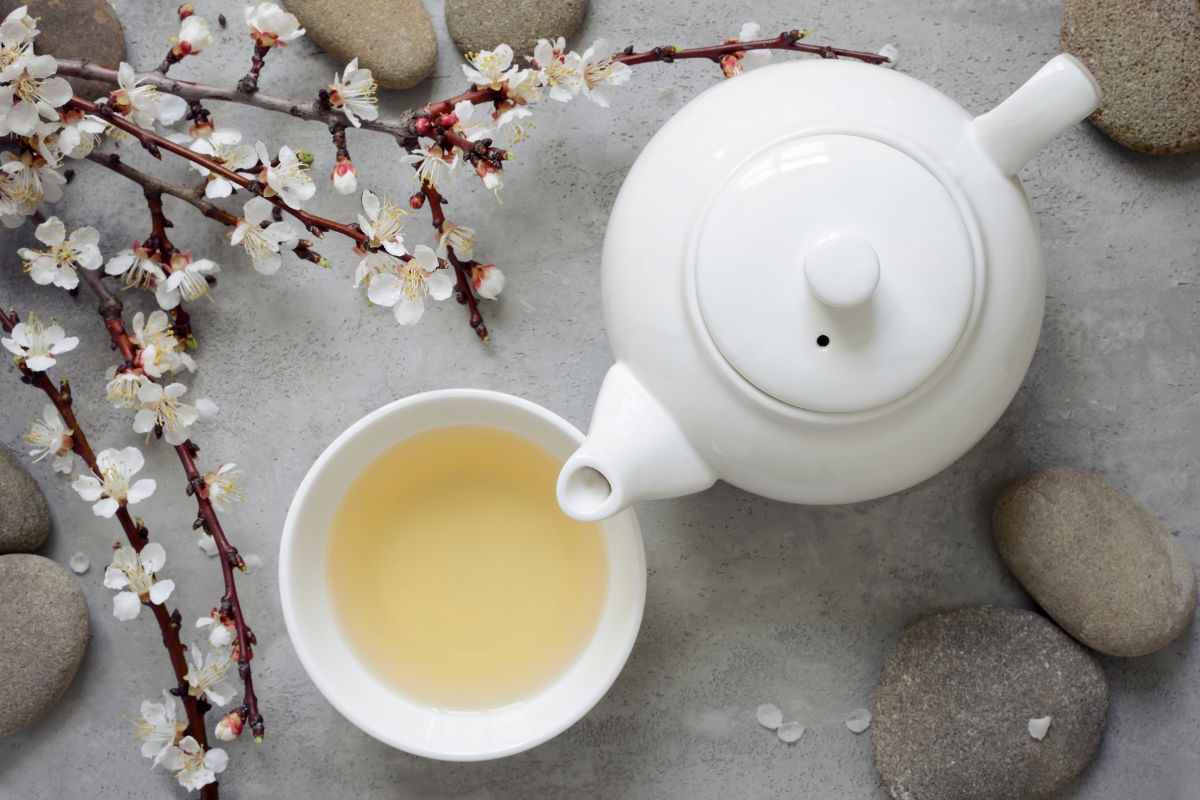
The heavy lifting in white tea is done by plant compounds called polyphenols. Since the leaves aren’t oxidised, they stay in their most potent forms. One of the biggest wins is for the heart. According to Healthline, these polyphenols help relax the blood vessels and stop “bad” LDL cholesterol from oxidising. When that cholesterol oxidises, it turns into gunk, which clogs up your arteries. By stopping that, white tea acts like a bit of a shield for your heart.
But it’s not just about the internal organs. The skin gets a massive look-in too. There are these two annoying enzymes called elastase and collagenase that spend their time breaking down the proteins that keep skin firm. White tea is famously effective at telling those enzymes to back off. In a way, it’s like an internal anti-ageing cream.
Then there’s the smile. Most people don’t realise that white tea is a natural source of fluoride. Combined with tannins and catechins, it’s a triple threat against the bacteria that cause plaque and tooth decay. It’s basically a mouthwash you can actually enjoy drinking.
Also read: Can You Lose Fat Only From Your Belly With Exercise? Facts Check
White Tea Benefits vs Green Tea: The Real Winner?
The debate between these two usually gets people quite heated. Green tea has decades of research; it’s the “gold standard” because we know so much about it. But white tea is like the overachiever.
Because it’s less processed, some studies, including those highlighted in Food Chemistry, suggest it has a higher antioxidant load than green tea. If you want the highest concentration of raw catechins, white tea usually wins the toss.
Green tea can be a bit harsh. It has a grassy, vegetal punch that can sometimes cause nausea if consumed on an empty stomach. White tea? Far more gentle. It’s floral, a bit sweet and much easier on the gut.
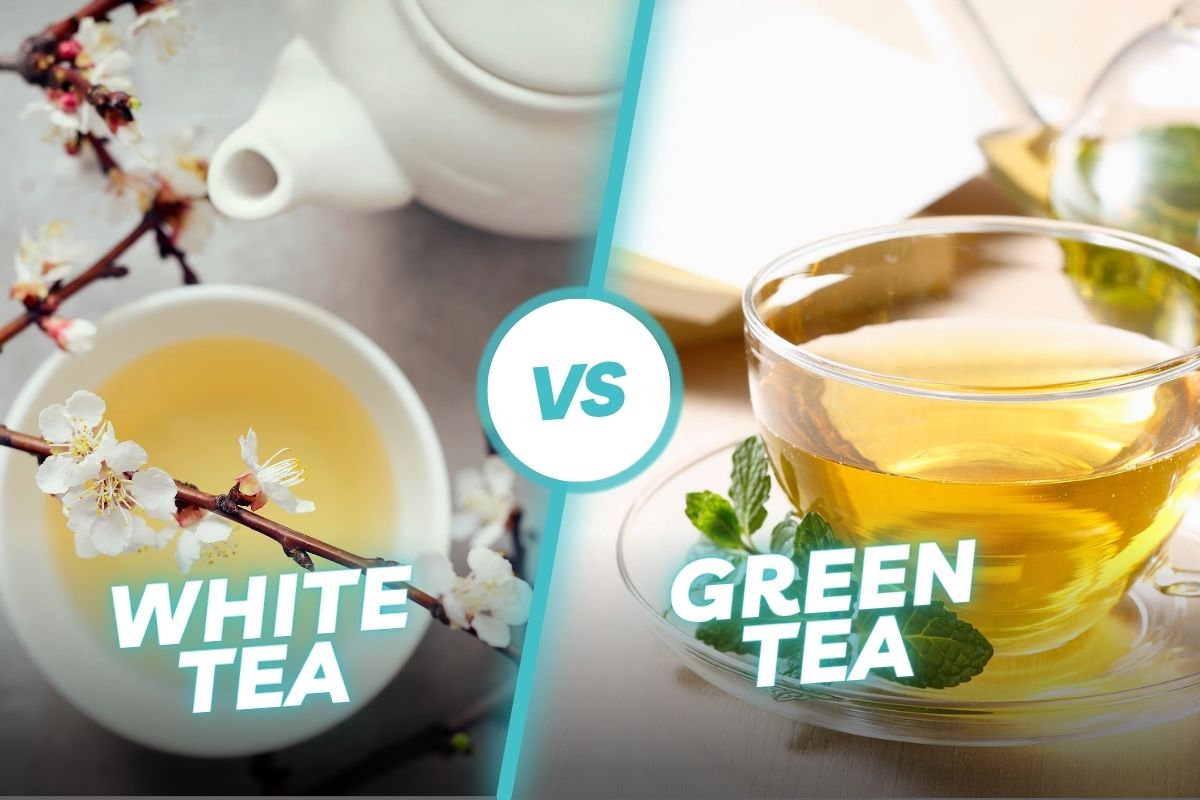
For those who get the jitters, white tea is an even safer bet. A standard cup has about 15mg of caffeine, and green tea is closer to 25-30mg. If you want a serious metabolic spike, reach for the green. But for a steady, subtle health boost, white is the wiser choice.
Also read: Does Sugar Actually Cause Hyperactivity in Children? What Research Really Shows
The Flip Side: White Tea Benefits and Side Effects
Nothing is perfect, right? Even the “purest” tea has some bits to be wary of. The biggest one is iron. Like all true teas, white tea contains tannins. These are great for you, but they love sticking to iron from plant-based foods. If you struggle with iron levels, drinking a big mug of white tea alongside your spinach salad is a bad move. Better to wait an hour between eating and drinking.
Then there’s the caffeine. But it’s not zero, even if it is less than coffee. If you’re sensitive to it, drinking four or five cups in the evening may still leave you staring at the ceiling at 2 AM. Then there’s the pregnancy side of it all.
Most health experts, including those at BBC Good Food, recommend limiting the intake because caffeine can interfere with the way a body absorbs folic acid. It’s all about balance. One or two cups if you must, but don’t make it your sole hydration source.
Also read: Do Collagen Supplements Actually Improve Skin Health or Is It Hype?
The 2026 Perspective: New Findings
As of April 2026, new research has started looking into how white tea interacts with our gut. It turns out those polyphenols don’t just help the heart; they act as a prebiotic, feeding the “good” bacteria in your stomach.

This has a knock-on effect for the immune system. Since most of our immune system lives in the gut, keeping those bacteria happy with a bit of white tea is a very easy way to stay healthy during flu season.
The “Silver Needle” variety — only the unopened buds — remains the premium choice in 2026. It’s the most pricey, sure, but it’s in the lowest range of caffeine and highest in those precious antioxidants. If that’s too expensive, “White Peony” is a good middle ground.
It employs a combination of buds and leaves, meaning that the flavour is more “tea” territory without missing out on much of the chemical potency. And remember the golden rule: no boiling water. It’s the fastest way to ruin a good cup and kill off the nutrients you’re paying for.
Also read: Facts Check: Does 5G Network Really Cause Health Problems?
FAQ: Quick Answers
Is white tea just “weak” green tea?
Not at all. It’s a completely different method of processing. It might look paler, but chemically, it’s often more “potent” in terms of antioxidants.
Can I drink it for weight loss?
It helps. The EGCG in white tea can boost metabolism by about 4 or 5%. That’s not enough to replace a workout, but it certainly doesn’t hurt.
Does it stain teeth like black tea?
Because it’s so lightly pigmented, it’s far less likely to leave those yellow stains on your teeth than black tea or coffee.
How many cups should I drink a day?
Most studies show the best benefits at around 3 cups. That seems to be the “sweet spot” for heart health and skin protection without overdoing the caffeine.
Is it safe to drink on an empty stomach?
For most, yes. It’s much less acidic than coffee or green tea, though very sensitive people might still feel a tiny bit of nausea if they drink it first thing in the morning.
Fact Check Verdict
VERDICT: TRUE. White tea isn’t just a marketing gimmick for people with too much money. It is by definition the most nutritious form of the tea leaf because we do nothing to it. The science is good: it’s good for the heart; it helps protect skin; and it keeps teeth healthy.
In the end, we often look for the “miracle” supplement or the newest crazy trend, but the humble white tea leaf has been doing the work for centuries. It’s a kind of lesson in “less is more.” We get more from the leaf by processing it less. If you can adjust to that delicate, almost floral taste, it’s a complete game-changer for your daily routine.
You just need to get a proper kettle and stop boiling your water, then let the leaves do their job. Life is complex enough; your tea doesn’t need to be. But drink it because you like it and let the antioxidants sort out the rest behind the scenes.” Just don’t expect it to do the gym work for you. Honestly, wouldn’t that be lovely?
Sources and References
- Webmd: Comprehensive overview of nutritional properties and clinical health claims for white tea.
- Healthline – Science-backed breakdown of antioxidant levels and cardiovascular impacts.
- BBC Good Food – Expert nutritional guide on polyphenols and daily consumption safety.
- National Center for Biotechnology: National Center for Biotechnology Information study on the antioxidant potential of Camellia sinensis.
- Tea Class – Professional industry guidelines on correct brewing temperatures for white tea varieties.