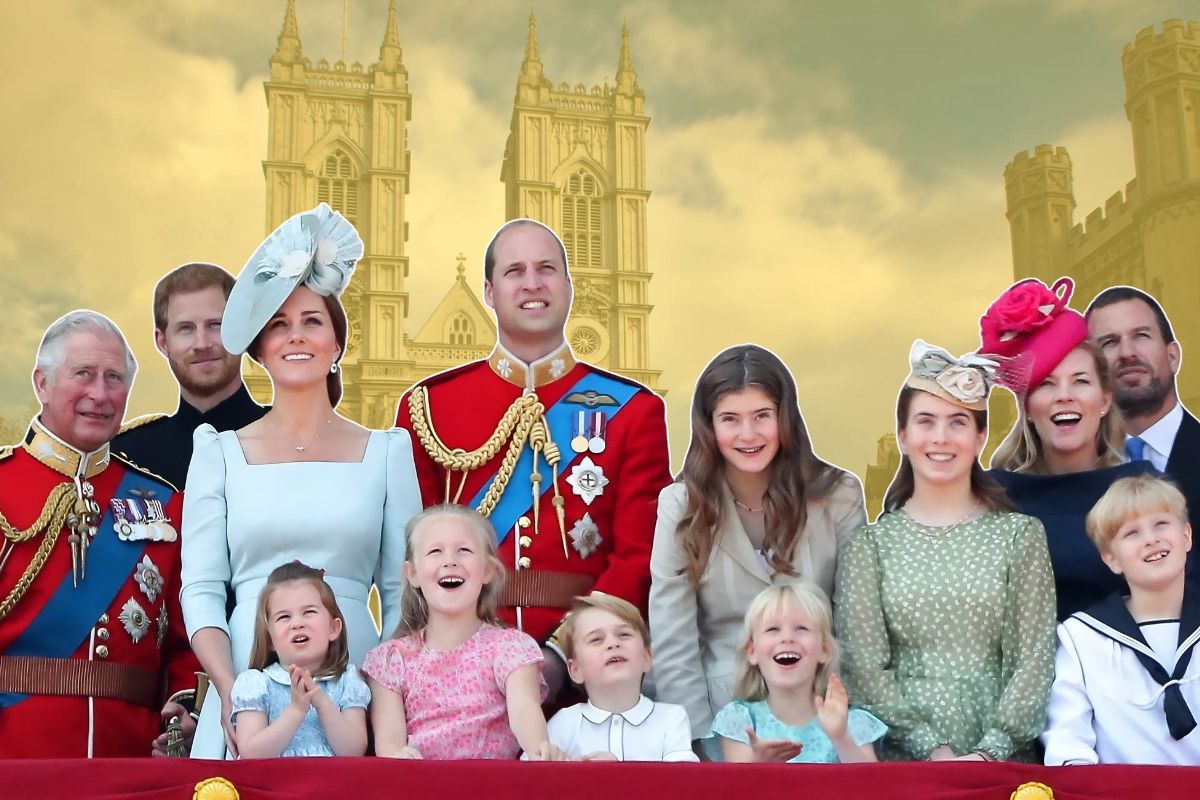
If you have ever watched the royal wedding or the state funeral service of any monarch, you would see the vast scale of the relationship between the British Crown and the Church of England. It looks like something straight out of a history book—mostly because it is. But in April 2026, many people are looking at the pomp and asking a very practical question: Do royals have a formal role in Church of England events? The short answer is a loud yes, but the “power” behind it is a lot more about signatures and symbols than it is about actually telling people what to believe.
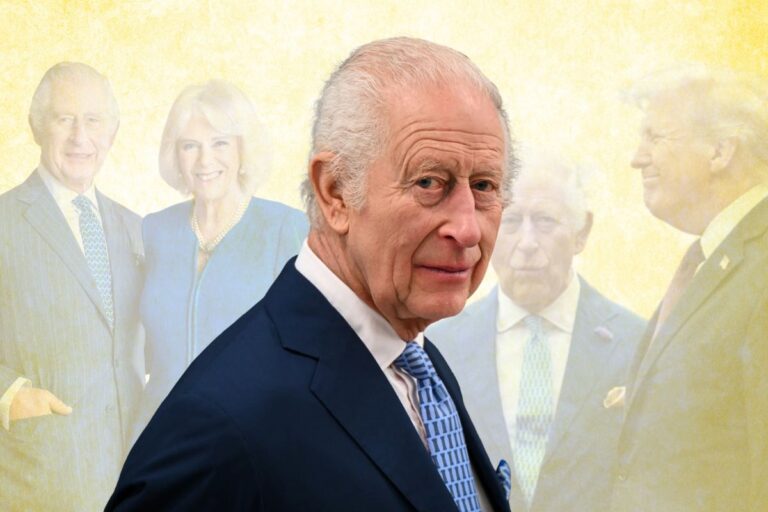
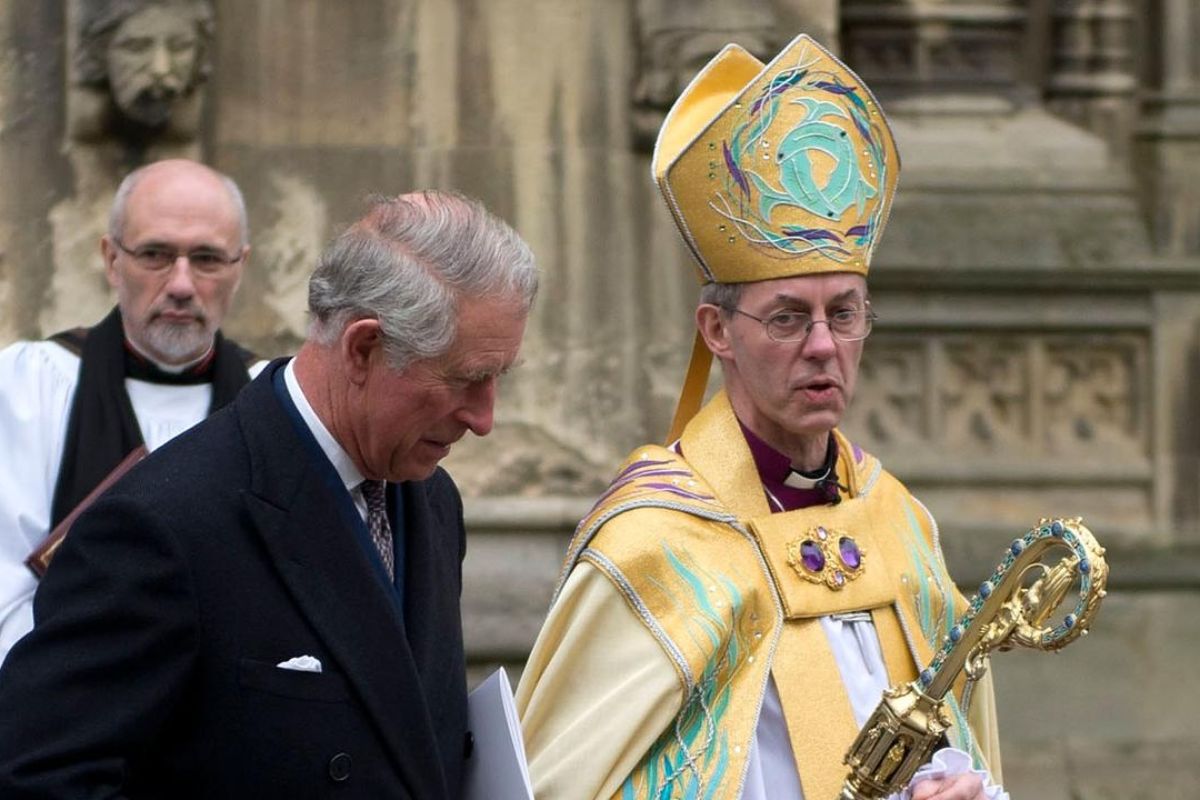
For the larger view, one must turn to King Charles III. He is not just a high-profile guest at these events; he is the “Supreme Governor”. This title isn’t a suggestion. It is a legal reality that documents back to 1558. So much has changed in the world beyond the gates, but the thing that ties King to the pulpit remains ominously intact. However, if you envision the King casually selecting hymns or deciding how to read the Bible, you are misunderstanding the situation. The Church manages its soul; the King merely gives the constitutional structure.
Key Takeaways for 2026
- Supreme Governor Role: The King is officially head of the Church, but he’s not its spiritual leader (that’s Jesus in their theology).
- Legal Assent: Each law that goes through the Church’s parliament (the General Synod) requires the King’s signature before it is completely legal.
- Approval of Bishops: The King formally appoints senior clergy, although he is advised by a government committee.
- Symbolic Duty: Military ceremonial duties and major national services (such as Easter and the Royal Maundy). The king represents the national faith.
- A Shift in 2026: The installation of Dame Sarah Mullally as the first female Archbishop of Canterbury in March 2026 saw the royals in a major representational role, signalling a new era.
Also read: The Real Story of Prince Harry and Meghan Markle’s Royal Exit
The Supreme Governor and the Legal Loop
The reason the King is so entwined with the Church is down to the “Establishment.” This means the Church of England is the official state religion. Because of this, it needs a constitutional anchor. The king’s primary formal role is as the Supreme Governor of the Church of England.
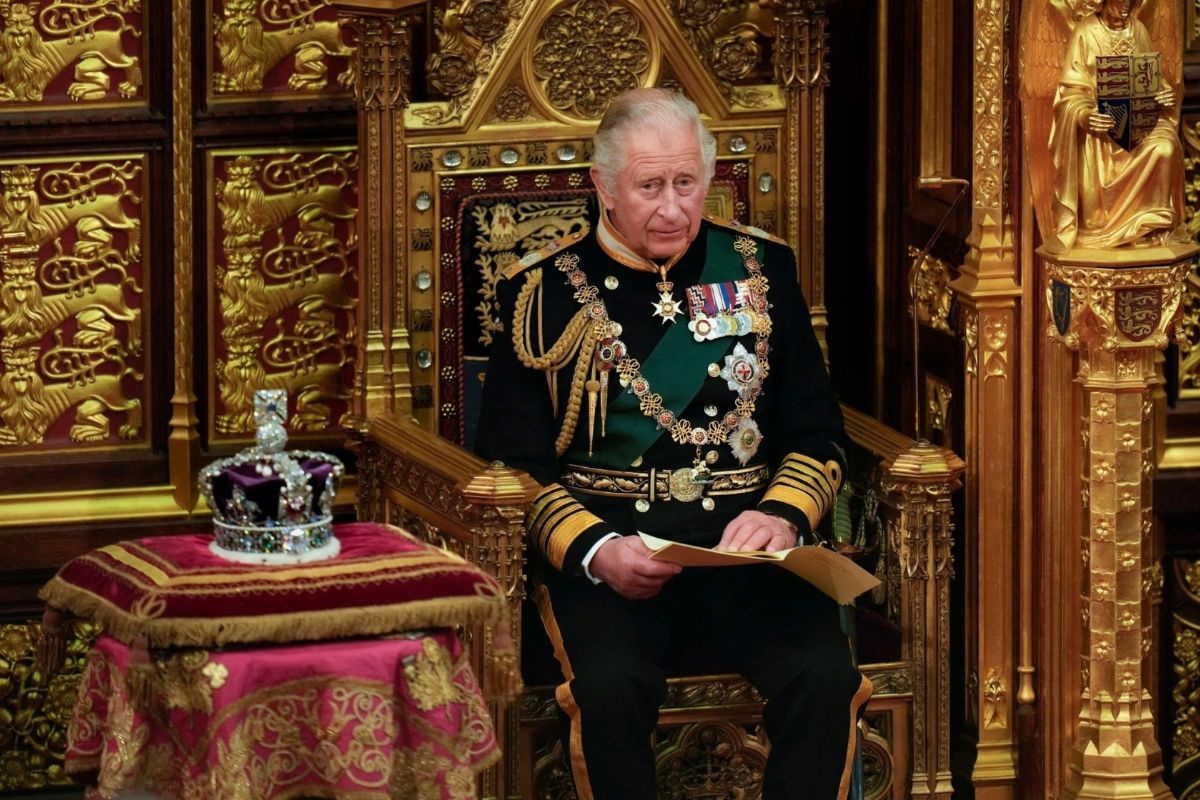
It is similar to the UK Parliament. Once a law has been passed by the government, it needs to receive approval from the king (royal assent). The Church is the same. Everything from climate change to church taxes is debated there, and once the General Synod settles on a “measure”, it heads for the King’s desk.
Without that signature, the Church can’t actually change its laws. It’s a formal check and balance that keeps the Church tied to the state. It’s not about the King being a religious expert; it’s about him being the final constitutional step in a centuries-old legal process.
Also read: Facts Check: Why Is King Charles Visiting the US in 2026 and What It Really Means
Who Actually Picks the Bishops?
A common mistake people make when asking if the King has a formal part to play in Church of England occasions is thinking he chooses who leads the church. But in 2026, the way the selection happens is a very organised, official process.
When an important job becomes available, for example, the Archbishop of Canterbury, the Crown Nominations Commission is the group doing the selection. They locate someone they believe is suitable, give that person’s name to the Prime Minister, and then the Prime Minister tells the King which candidate to go with.
The role of the king here (as explained on the Royal Family’s official site) is to “approve” it. He is not picking his friends; he is providing an endorsement for a decision by the Church and the state. However, do not confuse this role with being unimportant.
It is this requirement for approval from the monarch that grants archbishops seats in the House of Lords. Well, it’s a link that effectively guarantees the Church’s representation at the highest levels of British politics.
Also read: Facts Check On Whether Queen Camilla Is The First Female Member Of The Garrick Club
The 2026 Easter and Maundy Services
If you want to see the formal role being played out, all you need to do is refer to the religious calendar. Once a year, on the Thursday before Easter, the King carried out the Royal Maundy.
He hands out “Maundy money” to pensioners, one man and one woman for each year of the King’s life. In 2026, the event occurred at St Asaph Cathedral in Wales. This is a state ritual that dates back centuries, symbolising the monarch’s responsibility to serve her people.
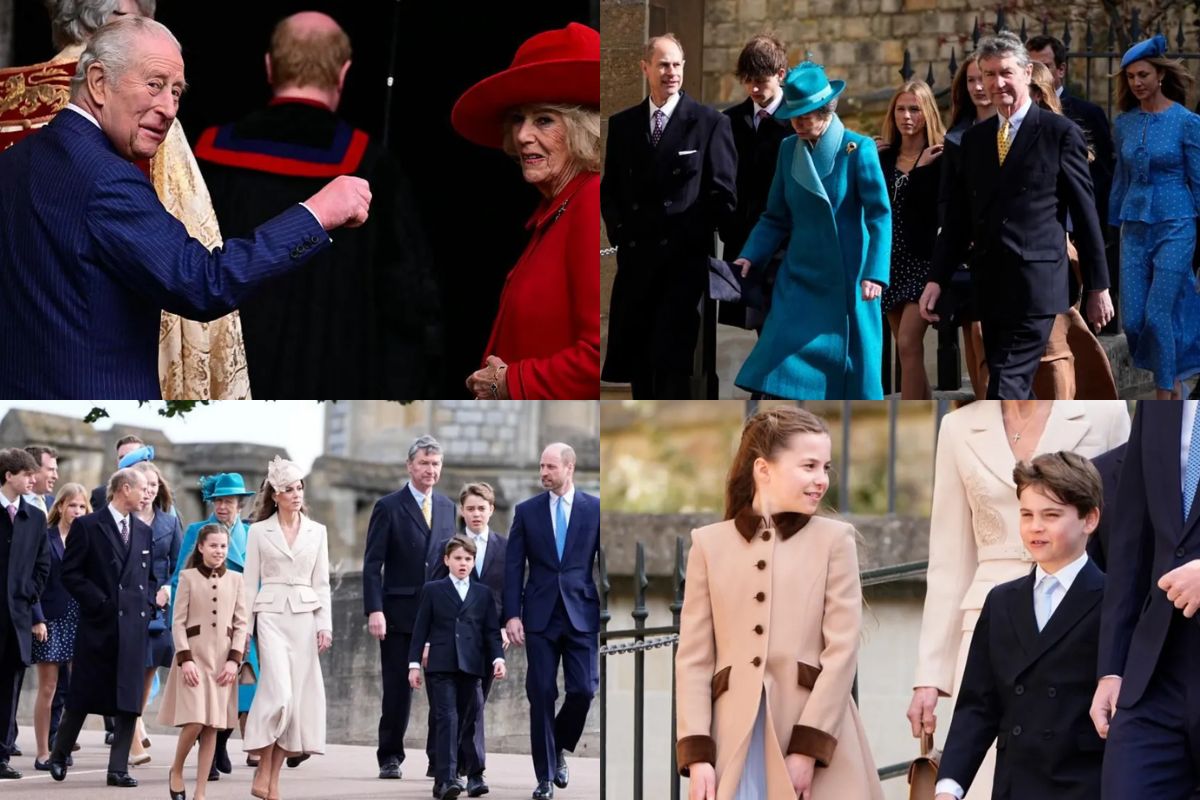
Then there’s the Easter Sunday service. On April 5, 2026, the world saw King Charles and Queen Camilla lead the family at St George’s Chapel in Windsor. This isn’t just a nice family photo. It’s a constitutional requirement for the “Defender of the Faith” to be visible at the most important Christian festival of the year.
While there was some stir in 2026 because the King didn’t release a formal video message as he does at Christmas, his physical presence at the service was the formal “tick” that the role requires.
Also read: Is Meghan Markle Returning to the UK Royal Family? The Truth Behind the 2026 Rumours
Dame Sarah Mullally and the Prince of Wales
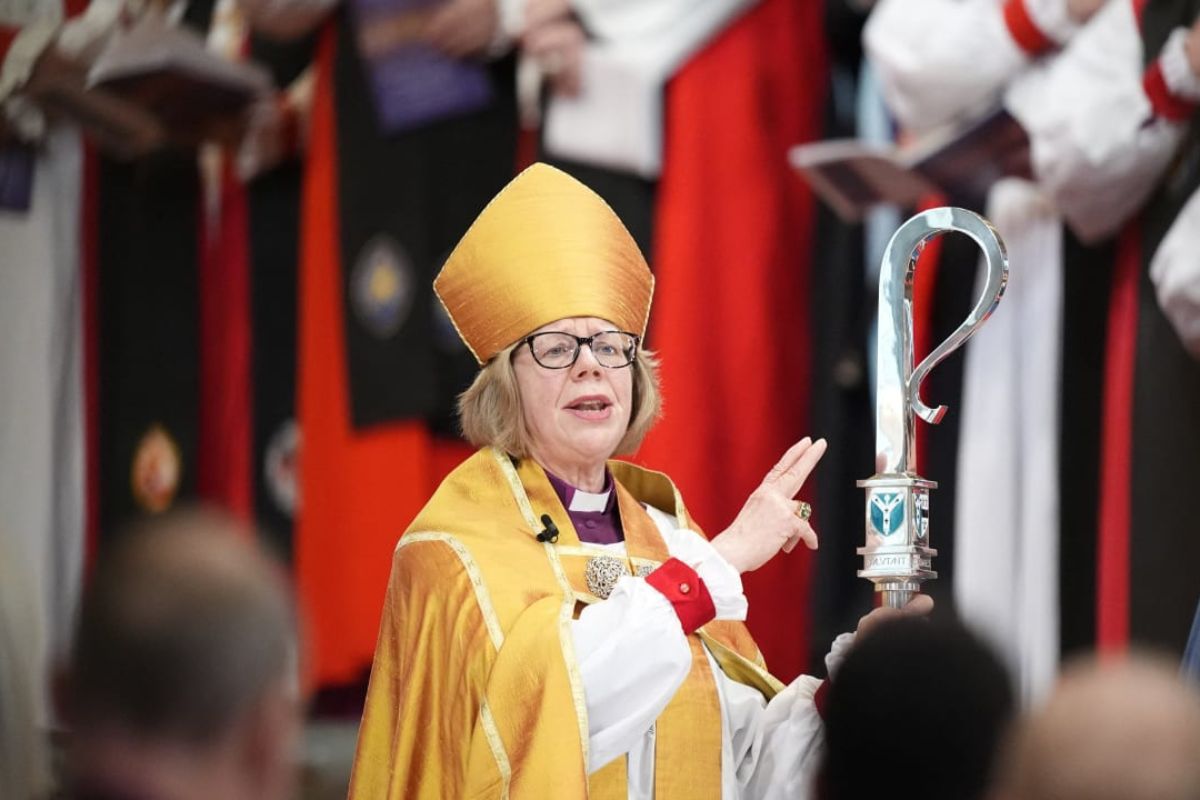
March 2026 saw one of the biggest shifts in Church history: the installation of Dame Sarah Mullally as the 106th Archbishop of Canterbury. As the first woman to hold the post, it was a massive deal. The Royals didn’t just send a card; Prince William and Catherine were there in a formal capacity to represent the King.
Reports from The Crown Chronicles suggest that Prince William is being prepared for his future role as Supreme Governor by taking on more of these high-stakes church events.
He has no constitutional role yet – he is only the Prince of Wales – but his presence is a formal indication that the Crown remains supportive of the Church’s evolution. Which is a way of saying that, while the Church may have a new leader, the royal family will still be there.
Why Does This Still Exist?
You might wonder why a modern country still has a king as the head of the church. It’s a fair question. Some people think it’s outdated. But for the UK, it’s a way of keeping the state “grounded” in something other than just politics. The king’s role is to be a “neutral” protector of the Church. He’s there to make sure the Church is stable and that it serves the whole country, not just one political party.
At his coronation, Charles took an oath to maintain the Protestant religion. This is a formal, legal contract. He can’t just quit the role or decide he’d rather be something else. To be the king of the United Kingdom, you must be the supreme governor of the Church of England. It’s a package deal. While his personal views are very inclusive of all faiths, his formal job description is very specifically Anglican.
FAQ
Can the King fire the Archbishop of Canterbury?
No. The King doesn’t have that kind of executive power. The removal of an archbishop would involve a massive legal process within the Church itself, not a phone call from the Palace.
Do other royals have a vote in the General Synod?
No. Only the monarch has a formal constitutional role. Other royals are there as representatives and attendees, but they don’t have a say in Church law.
Is the Church of England funded by the King?
Nope. The Church has its own money from investments and donations. It’s a common myth that the taxpayer or the king pays for the church’s day-to-day running.
Does the King have a role in the Church of Scotland?
He has a representative role, but it’s different. In Scotland, the Church is “Presbyterian” and doesn’t have a Supreme Governor. The King is just an ordinary member there.
Will Prince William have the same role?
Yes. When he becomes King, he will automatically become Supreme Governor and take the same oaths to defend the Church.
The Fact-Check Verdict
VERDICT: TRUE. The British monarch holds a clear, formal, and constitutional role in the Church of England. As Supreme Governor, the King provides the legal authority for the Church’s laws and formally approves its leadership. While he doesn’t handle the “spiritual” side of things—like telling people how to pray—he is the constitutional “anchor” that keeps the Church as the official religion of the state.
At the end of the day, it’s a little like being the chair of a huge, complex board. The King isn’t the one who runs the office or does the filing or even goes out to see customers. But he’s the one who signs cheques and keeps the building from collapsing. This arrangement is a strange British middle ground that has survived the better part of 500 years and, as we’ve witnessed, not only in 2026 but also far too many times since. In reality, it’s just part of the furniture of the UK—a bit dusty in places, but still holding up the roof.
Regardless of what anybody thinks about religion, watching the King walk into a cathedral with his family reminds you that in Britain, history is not just a thing that happened once — it is a thing being lived every Sunday morning.
Sources and References
- Church of England Official Website – Explanation of the King’s title as Defender of the Faith and Supreme Governor: Why is the King known as Defender of the Faith?
- The Royal Family Website – Official overview of the relationship between the Sovereign and the Church of England: The Queen and the Church (historical context still relevant under King Charles III)
- BBC News – Coverage of the Royal Family attending Easter Sunday service at Windsor (5 April 2026): Royals attend Windsor Easter Sunday service
- BBC News – Report on Prince William’s growing involvement with the Church of England (March 2026): Prince William keen to build ‘meaningful’ bond with Church of England
- Wikipedia – Detailed entry on the constitutional role of the Supreme Governor of the Church of England: Supreme Governor of the Church of England
- People Magazine – Coverage of Prince William and Catherine attending the installation of the first female Archbishop of Canterbury (March 2026): Prince and Princess of Wales attend historic service installing first female Archbishop of Canterbury