The nutritional value of semi skimmed milk is something most people in the UK take for granted. The green-top carton is in almost every fridge, in almost every household. People buy it automatically. But few actually know what is inside it or whether it genuinely earns its healthy reputation. Here is a straight answer.
Per 100ml, semi-skimmed gives you 47–50 calories, 3.5g protein, 1.8g fat, and 124mg calcium. A standard 200ml glass gets you 7g protein, 248mg calcium, and 72% of your daily Vitamin B12. For something that costs under a pound a pint, that is a lot going on.
|
Full Nutritional Breakdown
| Nutrient | Per 100ml | Per 200ml | % Daily Intake |
| Energy | 47–50 kcal | 94–100 kcal | ~5% |
| Fat | 1.8g | 3.6g | ~5% |
| Saturated Fat | 1.1g | 2.2g | ~11% |
| Protein | 3.5g | 7g | ~14% |
| Calcium | 124mg | 248mg | ~31% |
| Iodine | ~38mcg | ~76mcg | ~51% |
| Vitamin B12 | ~0.4mcg | ~0.8mcg | ~72% |
| Riboflavin (B2) | ~0.2mg | ~0.4mg | ~27% |
| Potassium | 161mg | 322mg | ~16% |
Sources: British Dietetic Association; Dairy UK; NHS Eatwell Guide
The Iodine Gap Nobody Talks About
Iodine barely features in most diet conversations, but the British Dietetic Association flags it as lacking in many people’s diets. It is critical for thyroid function and brain health, and semi-skimmed milk is one of the single best natural sources of it in Britain. One small glass covers around half your daily recommended amount.
Plant-based milks contain almost none of it unless artificially fortified. For pregnant women this is particularly important. Iodine deficiency during pregnancy is linked to developmental problems in babies, and Public Health England has raised it as a real concern for the UK population.
Protein and B12
Seven grams of protein per glass. That is more than a large egg, and it includes both casein and whey – the same proteins sold in gym supplements, just in their natural form and without the price tag. For teenagers, older adults, or anyone eating little meat, that is worth knowing.
B12 is equally impressive. One glass delivers 72% of your daily requirement. Deficiency is more common in the UK than people realise, especially among vegetarians, and dairy is often their only reliable dietary source.
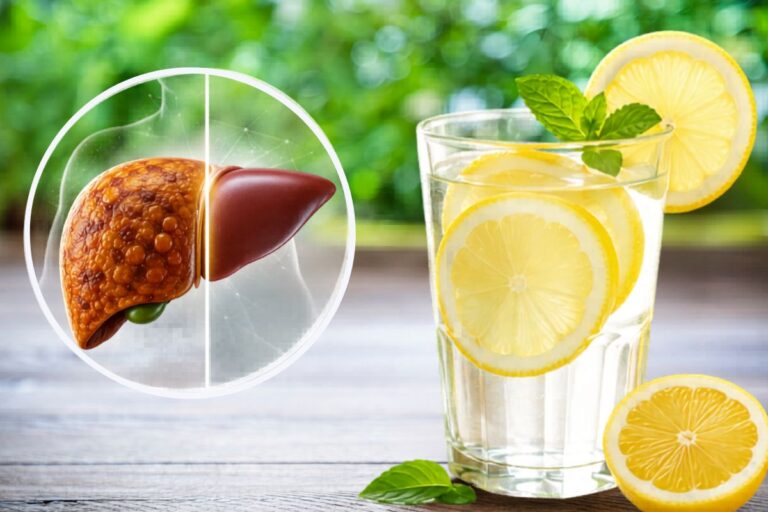
Read Also: Facts Check: Can Lemon Water Really Detox Your Body?
How It Compares to Whole and Skimmed
Whole milk, semi-skimmed, skimmed – most people imagine they are worlds apart nutritionally. They are not. The nutritional value of semi-skimmed milk holds up surprisingly well against the others. Protein, calcium, iodine, and B12 are almost identical across all three.
The fat comes down, the calories follow, and that is genuinely about it. The only thing that takes a real hit is Vitamin A, because it binds to fat. So yes, full-fat milk has more of it. Worth knowing, but not worth panicking over for most adults who eat reasonably well otherwise.
On age guidance, the NHS keeps it simple. Whole milk from age one because young children need fat and energy. Semi-skimmed from age two, as long as the child is eating well and growing normally. Skimmed only from age five. For most adults, the Eatwell Guide recommends lower fat dairy where possible. Semi-skimmed is the default recommendation for the majority of the UK population.
Two Myths Worth Dismissing
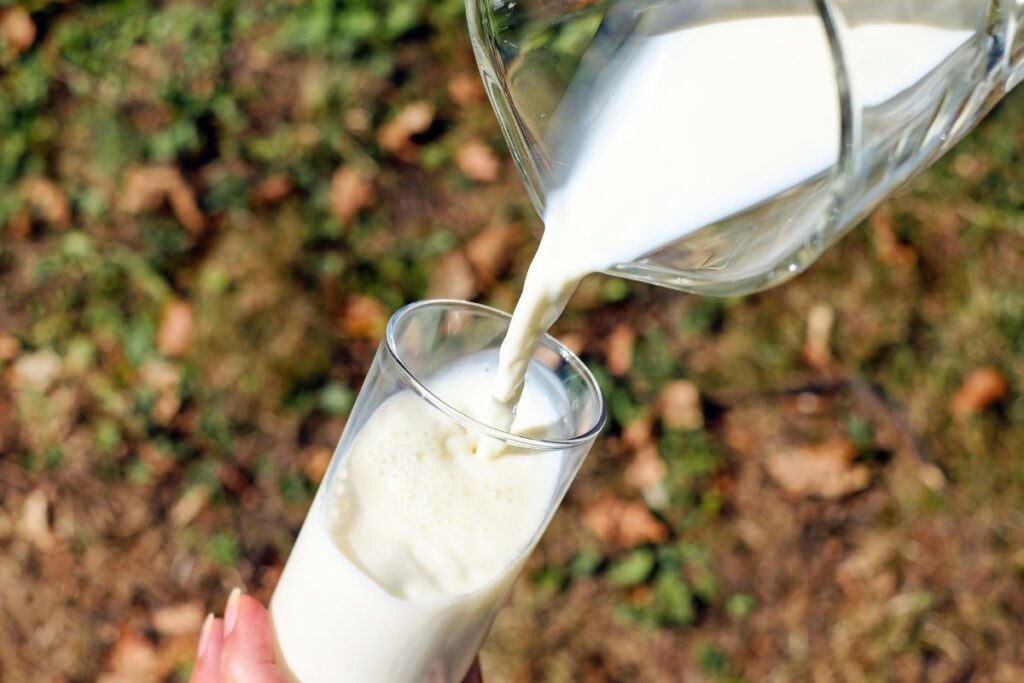
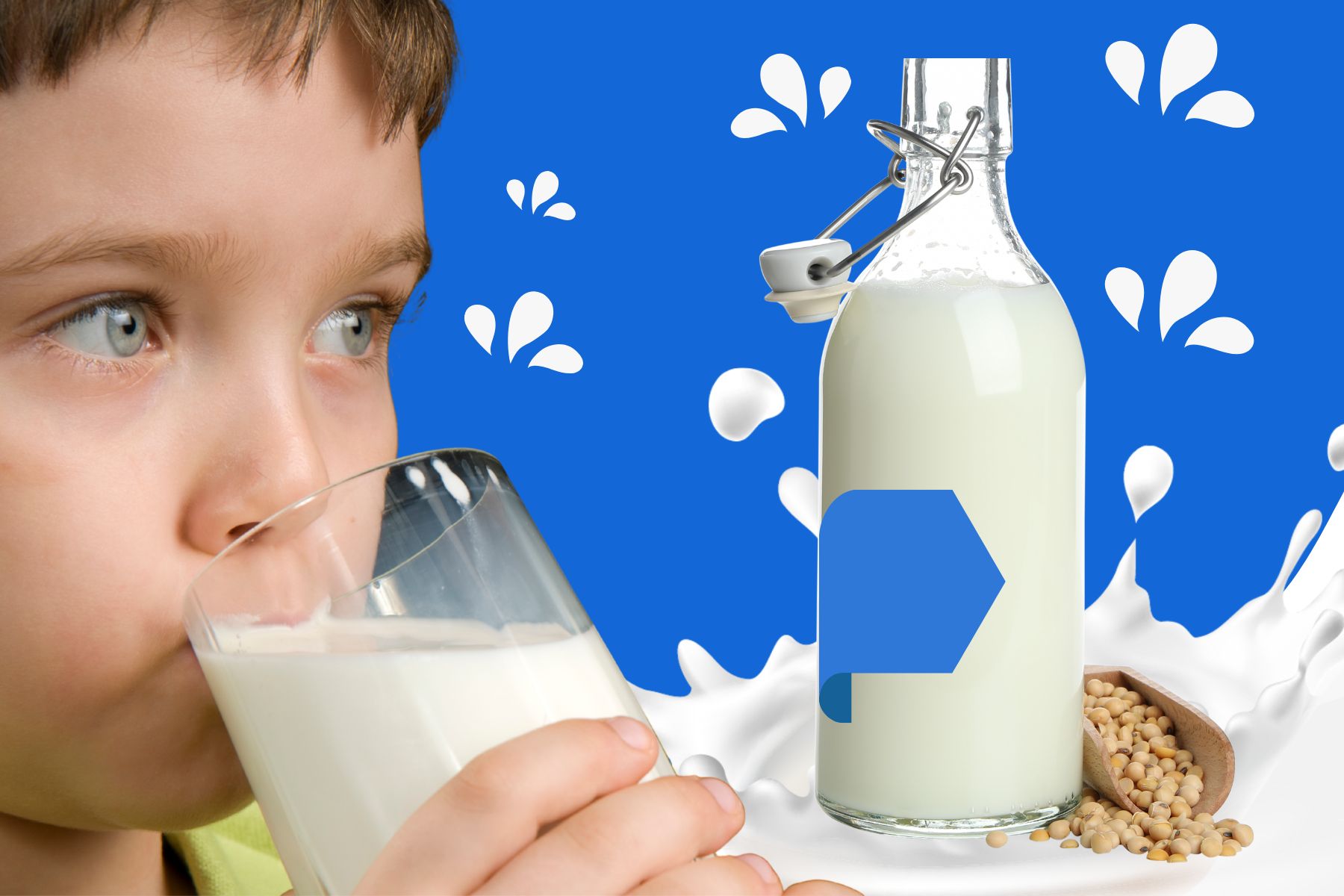
Lactose is not added sugar. The NHS, WHO, and Dairy UK all agree – it is naturally occurring and not harmful. Plant milks are also not as nutritious as commonly assumed. Oat and almond options are low in protein and contain almost no iodine. Only soya comes close to protein. If you switch, check the label carefully.
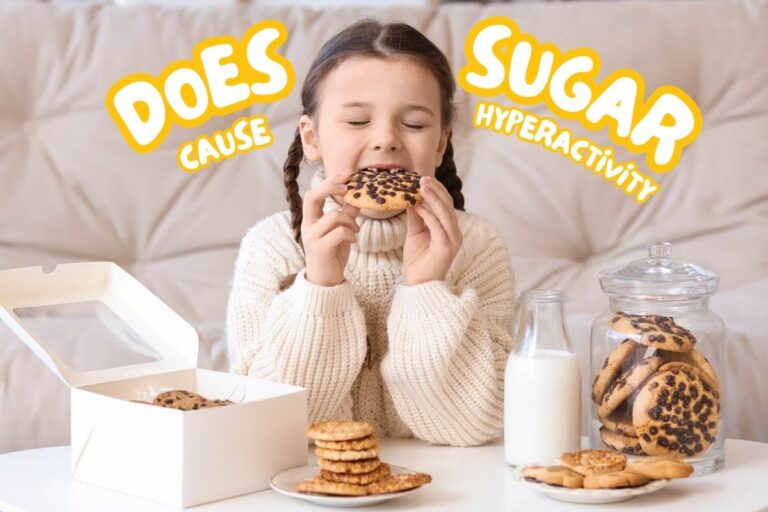
Read Also: Does Sugar Actually Cause Hyperactivity in Children?
The Final Verdict
The nutritional value of semi skimmed milk stands up to scrutiny. It is not a compromise. It keeps almost everything useful from cow’s milk while cutting fat and calories. For most people in the UK, it is one of the most affordable and nutritionally complete drinks available.
FAQs
How many calories are in semi-skimmed milk?
Per 100ml you are looking at 47–50 calories. A 200ml glass lands at 94–100, and a full pint is around 270. Honestly not much at all.
Is semi-skimmed milk good for weight loss?
It can be. The nutritional value of semi-skimmed milk works in your favour here – fewer calories than whole milk, decent protein to keep hunger at bay, and it does not feel like a punishment. Easier wins have been harder to find.
Does semi-skimmed milk contain Vitamin D?
Barely any. British cow’s milk is not fortified with Vitamin D the way it is in some other countries. The NHS tells most adults to take a daily supplement anyway, and especially so from October through to March.
Is semi-skimmed milk OK for toddlers?
From two years old, yes, as long as they are eating a good range of foods. Before that, stick to whole milk. Young children need fat for energy and development, so it is not the time to cut back.
Is lactose the same as added sugar?
No, and this one comes up a lot. Lactose occurs naturally in all cow’s milk. It is not added, it is not the same as the sugar in a can of Coke, and no serious health body treats it as a concern.
How does semi-skimmed compare to oat milk?
Oat milk has roughly 1g of protein per 100ml. Semi-skimmed has 3.5g, plus iodine and B12 that oat milk simply does not have unless it has been fortified. It is not really a close comparison.
Sources & References
Dairy Benefits – British Dietetic Association (BDA)
Milk FAQs – Dairy UK
Dairy and Alternatives in Your Diet – NHS
All You Need to Know About Semi-Skimmed Milk Nutrition – Graham’s Family Dairy