Verdict: False
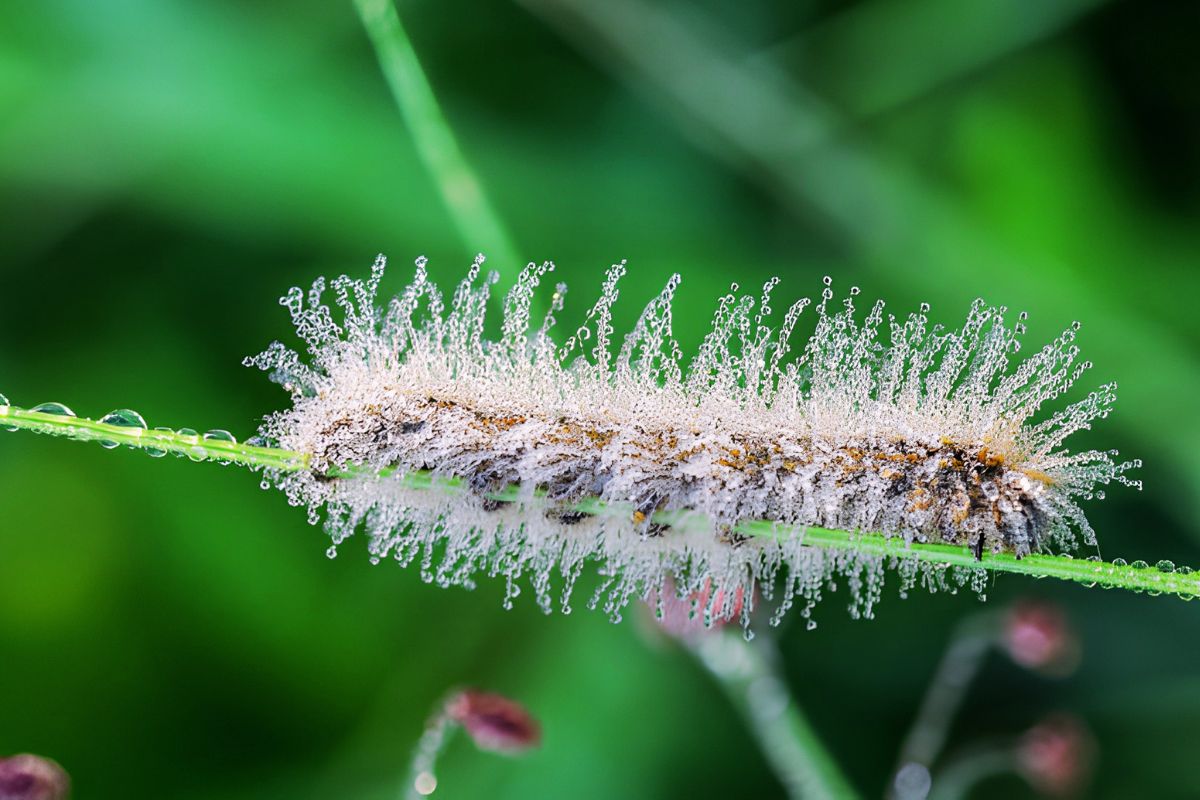
The jelly caterpillar is not a hoax. It’s a genuine insect, though the viral clips doing the rounds online mix up two separate species: the gelatinous “jewel caterpillar” from the Americas and the “jellybean” slug moth caterpillar found across Asia and Australia. Both look like edible sweets. Neither is.
- The jelly caterpillar nickname covers two unrelated moth families, Dalceridae and Limacodidae, not one single species
- Entomologists have confirmed the creature is real
- Despite the squishy, harmless look, some jelly caterpillar species carry irritating or mildly venomous hairs
- A separate “jelly bed” video that went viral was confirmed as AI-generated, which is a different story entirely from the real jelly caterpillar
So what’s actually happening here? These wobbly, see-through caterpillars have been showing up in videos for years now, resurfacing every few months on Reddit, X, wherever. And people’s first reaction is always the same: that’s got to be CGI. Fair enough, it does look like a gummy sweet somehow came to life. But no, it’s real.
Snopes actually dug into this one. Turns out the “jellybean caterpillar” nickname belongs to a genuine species from the slug moth family, Limacodidae. A University of Florida researcher backed up the sighting too, though pinning down the exact species in every clip is trickier since so many get lumped together. The one people usually mean is from the Olona genus, found across Singapore, China, and other parts of Southeast Asia and Australia. Bulbous, shiny, weirdly translucent. Basically looks dipped in jelly. That part’s not an exaggeration.
Also Read: Myth or Fact: Does Eating Carrots Improve Eyesight?
Then there’s the other lot. Jewel caterpillars, from the family Dalceridae, are the American cousin of this whole gummy-caterpillar phenomenon. These turn up in Mexico and tropical regions further south, covered in glistening gel-like spines that genuinely do resemble jewellery. Scientific American documented a sighting near Cancun where the larvae were traced back to the Acraga genus, and researchers found the sticky coating seems to work as a defence mechanism rather than anything toxic, since ants that tried biting down just got stuck and gave up.
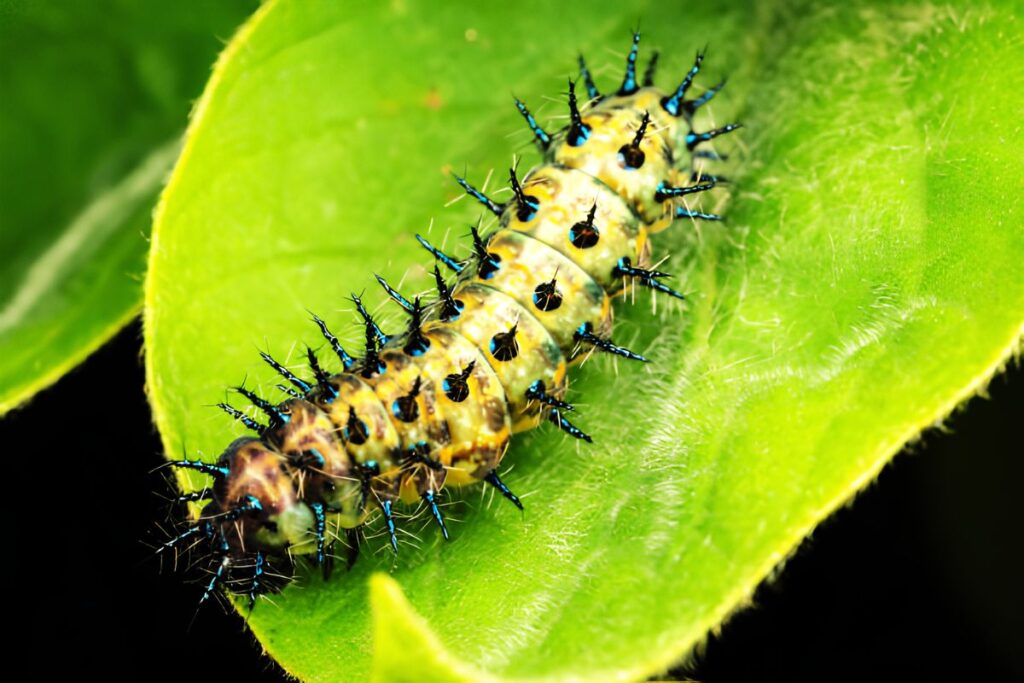
Here’s where it gets a bit messy for anyone trying to fact-check this properly. Both families get called “jelly caterpillar,” “jellybean caterpillar”, and “jewel caterpillar” pretty interchangeably online, which is honestly a nightmare if you’re trying to identify what you’re actually looking at. They’re not the same species, not even the same family. Just two bugs that landed on the same gimmick an ocean apart.
Don’t touch one if you spot it, by the way. Jewel caterpillar spines aren’t known to sting or be poisonous, fine, but the jellybean lot (Limacodidae) are a different story. Some carry hairs that irritate skin. A few can even give a mild venomous reaction if handled. Looks harmless. Isn’t always.
One more thing worth flagging separately. There’s a different viral clip going round of so-called “jelly beds,” gooey structures that have nothing to do with caterpillars at all, and that one was confirmed as AI-generated. It’s an unrelated story, but worth knowing about if you’re trying to sort real jelly-adjacent content from fake.
Also Read: Facts Check: Can Lemon Water Really Detox Your Body?
Jelly Caterpillar: Quick Comparison
| Feature | Jewel Caterpillar (Dalceridae) | Jellybean Caterpillar (Limacodidae) |
| Region | Americas, tropical | Asia, Australia |
| Genus Example | Acraga | Olona |
| Texture | Gel-coated spines | Smooth, bulbous body |
| Danger Level | Not known to sting | Can cause skin irritation |
| Status | Confirmed real | Confirmed real |
Frequently Asked Questions
Is the jelly caterpillar dangerous to touch?
Some species can irritate skin or sting mildly, so it’s best left alone even though it looks harmless.
Where can you find a jelly caterpillar?
Jewel caterpillars turn up in the Americas, while jellybean-style slug moth caterpillars are found across Asia and Australia.
Why do people think it’s fake?
It just looks too perfect, honestly, like something out of a CGI render. That, plus a separate and unrelated AI video about “jelly beds,” probably feeds into the confusion.
Are jelly caterpillars the same as gummy bear caterpillars?
Yes, that’s just another nickname people use online for the same jelly-look species, mostly the Limacodidae group.
Can jelly caterpillars turn into butterflies?
No, both families are moth larvae, so they eventually turn into moths, not butterflies.
Sources and References
- Snopes – Yes, the ‘jellybean’ caterpillar is real
- Scientific American – The Biology of the Translucent Jewel Caterpillar, the Nudibranch of the Forest
- Real Monstrosities – Goo Spines of Dalceridae
- Australian Geographic – The jellybean caterpillar brings the whimsy we all need right now
- PRIMETIMER – Are jelly beds real or fake? Viral video debunked