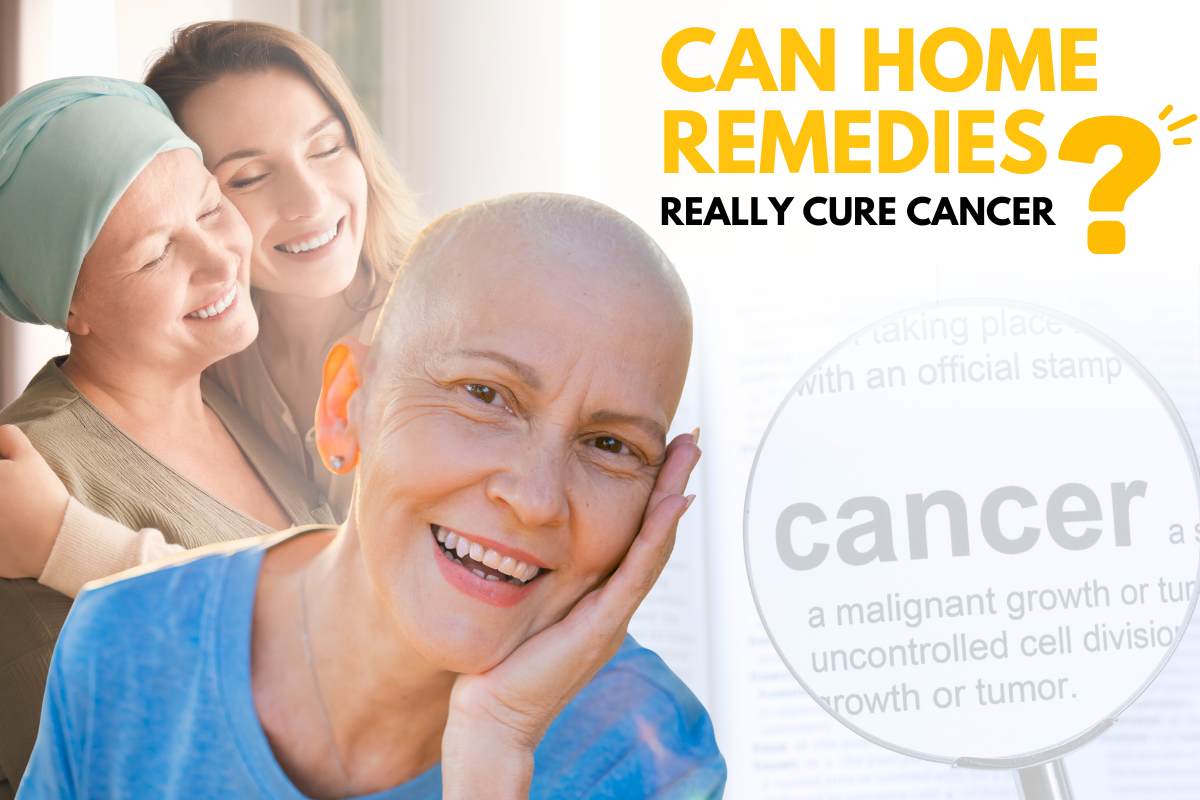
A friend of mine once showed me a WhatsApp forward at a kitchen table, a mug of tea steaming between us, biscuits going soft on a plate. It had the usual vibes. Grainy photos, a miracle story and a “doctor” nobody could name. And the big promise, in all caps: a home remedy that could wipe out cancer.
I remember the room going oddly quiet. Not because the message was convincing, but because it hit a nerve. When you’re scared, your brain doesn’t shop for facts. It shops for hope. Quick hope. Cheap hope. The kind that doesn’t include hospitals, and scans, and waiting rooms (or that sharp smell of disinfectant that lingers in your clothes after you leave them).
And look, I get it. Cancer is brutal. The mere mention of the word “cancer” can cause your stomach to sink. So it’s not surprising that people look for “natural” solutions—a diet, tea, some paste, or powder. Something that feels gentle compared to the hard stuff.
But here’s the harsh truth, said plainly.
No home remedy has been proven to treat or cure cancer, and not in a way that replaces medical care. It’s not a method that consistently eliminates tumours. And it’s not a method you can confidently rely on for a lifetime.
Cancer Research UK makes the key distinction: a complementary therapy can sit alongside medical care to help you cope, but an “alternative” approach used instead of treatment is a different thing, and it isn’t backed as a cure.
Worldwide Cancer Research says it even more directly: there’s no scientific evidence that alternative treatments cure cancer, and relying on them can be hazardous.
So, can home remedies really cure cancer? If you want the fact-checked answer, it’s no. Full stop.
Now, let’s talk about what we can do safely, without getting taken for a ride.
Complementary vs. Alternative: Why the Difference Matters
This mix-up causes so much damage.
“Complementary” means you use something alongside conventional cancer treatment. Think relaxation, massage, mindfulness, gentle movement, and acupuncture for nausea. Things aimed at comfort, coping, and function.
“Alternative” means you use something instead of a treatment. That’s when it turns risky fast.
NHS guidance explains the overlap and the difference in simple terms: complementary sits with standard care, alternative replaces it.
And the NHS Specialist Pharmacy Service is blunt about it too: complementary products shouldn’t replace conventional medicine, and most alternative treatments aren’t supported because evidence is weak or missing.
So if someone tries to sell you a “natural cure” and tells you to skip chemo, surgery, radiotherapy, or immunotherapy, they aren’t offering help. They’re playing with your time.
Also read: How Your Blood Type Can Affect Your Health
Why “Boosting” the Immune System Isn’t a Cure
Because it sounds like a hug, doesn’t it? Herbs. Roots. Teas. “Ancient wisdom.” There are no adverse effects. There are no frightening advertisements.
But “natural” doesn’t mean safe. It also doesn’t mean effective.
A lot of cancer drugs began life as substances found in nature. That part is true. The difference is dosing, purity, and testing. Drug development takes an active compound, measures it, studies it, and checks how it behaves in the body. A homebrew doesn’t do that. It can’t.
And the immune system isn’t a magic shield you can “boost” into beating any type of cancer. A good diet and rest help the body cope. They don’t reliably stop cancer growth on their own.
That’s not negativity. It’s just reality.
Why “Natural” Can Be Dangerous for Your Treatment
Some herbal remedies can mess with cancer drugs. Not in a vague way. In a real, measurable way.
Macmillan Cancer Support warns that St John’s wort can reduce the effectiveness of certain chemotherapy drugs, including irinotecan and docetaxel. Cancer Research UK also flags St John’s wort for interacting with some cancer treatments. And there’s published evidence showing St John’s wort can affect the metabolism of irinotecan, potentially weakening its effect.
So if someone says, “It’s only a herb,” that can be dangerously naive.
This applies to supplements, too. High-dose green tea extracts, “detox” products, and megavitamins. Some can worsen side effects. Some can interfere with targeted drugs. Some can affect how the liver processes medication.
If you’re dealing with treating cancer, always run supplements past your oncology team or pharmacist. No embarrassment. No “but it’s natural.” Just ask.
Integrative Care, Not Alternative Cure: The Role of TCM
I get asked about Traditional Chinese Medicine (TCM) all the time. And I get the appeal. It’s ancient, it’s revered, and it usually involves being wrapped in a certain kind of calm, slow, thoughtful care that a busy hospital ward simply cannot mimic.
There really is legitimate emerging research on aspects of TCM as a complementary therapy, particularly for dealing with the effects cancer can have on your life day in and day out—things like fatigue, loss of appetite, and general well-being.

But let’s make no bones about it: feeling better isn’t equivalent to TCM being able to treat or cure the disease itself. The safe, sane frame here is this: these approaches might help boost your quality of life as you’re going through the wringer — but they are not a substitute for standard treatment. Your surgery, radiotherapy and cancer drugs do the heavy lifting. TCM is the support crew.
Because some herbal medicine can physically change how your body processes chemo, that “tell your team” rule is non-negotiable. If a blend interferes with your immune system or liver, it can actually give cancer cells a window to grow.
Bottom line? If a practitioner claims a specific tea or root can stop cancer growth on its own, treat that claim like a dodgy used car advert. Smile, nod, and back away slowly. Your life is worth more than a sales pitch.
The “Alkaline” Myth and the Sugar Trap: Why Diet Isn’t a Cure
This one spreads like glitter. It’s everywhere, and it’s impossible to clean up once it takes hold.
You’ll hear the same lines on repeat: “Cancer can’t live in an alkaline body,” or the classic: “Cut sugar and you starve the disease.”
Here’s the reality. Eating well is vital. It helps you maintain your strength, manage the brutal side effects of cancer drugs, and actually support your recovery. It keeps your immune system in fighting shape so your body can cope with the effects of cancer on your energy.
But here is what isn’t true: diet alone has never been shown to treat or cure cancer. Your body is incredibly good at controlling its blood pH; you can’t lemon-water your way into a “magic zone” that kills cancer cells.
If someone tries to sell you a restrictive diet as a “natural” miracle, they aren’t giving you a medical plan; they’re giving you a blame story. They’re suggesting that if the cancer grows, it’s because you ate a piece of fruit or a slice of bread.
People with cancer don’t need more blame. They need standard treatments that work and a diet that makes them feel human again.
The High Cost of Delay: Why “Instead” Is the Most Dangerous Word
This is the part that makes clinicians lose sleep, and it should worry the rest of ,us too.
When people choose alternative remedies instead of medical care, the cancer doesn’t pause politely. It can grow. It can spread. And once it’s advanced, options narrow.
Worldwide Cancer Research warns that relying on alternative therapies instead of proven treatment can be dangerous. Cancer Research UK repeatedly stresses that complementary therapies can help you cope, but using alternatives in place of treatment is a different category.
There’s also a very modern risk: social media “cure culture”. In 2025, oncologists warned publicly about patients turning down treatment after being pulled in by online fads and “natural cures”, with reports describing deaths linked to delaying proper care.
That’s not a scare tactic. That’s what happens when misinformation meets fear.
Also read: Do Billionaires Really Pay Less Tax Than Ordinary People? Facts Check
What Actually Helps Alongside Treatment
You might be thinking, “Alright then, what’s left?”
Plenty, actually. Just keep it in the right lane.
Home steps that can help support you during treatment include gentle movement (if your team says it’s safe), stress management, sleep routines, simple foods that you can tolerate, good hydration, and small comfort habits to alleviate feelings of gloom.
In consultation with their physicians, many people also use medically sanctioned supportive therapies to help manage nausea, anxiety, pain, and fatigue.

It is crucial to handle the discussion of complementary and alternative approaches with utmost care.
If you’re keen on herbs, supplements, or anything labelled herbal medicine, treat it like medicine anyway. Ask. Check interactions. Don’t guess.
And if you’re helping someone else, here’s a simple rule: don’t forward miracle cure posts. Even if it’s “just in case.” That “just in case” can cost months.
The Final Verdict: Cures Belong in Clinics, Not in Viral Posts
When you see a bold claim, ask three questions.
- Who benefits if I believe that?
- Is there a reputable medical body backing it?
- And does it ask me to replace conventional cancer treatment?
If the answer feels off, it probably is.
So, can home remedies really cure cancer? No. They can’t. Some may help people feel better while they go through proper care. Some may ease symptoms. Some may improve the quality of life. But a cure claim belongs in the clinic, backed by trials, not in a viral post with ten emojis and a dodgy link.
Now, be honest. If someone you love sent you a “miracle cure” message tonight, would you have the nerve to reply with, “Please don’t bet your life on this”?
Sources and References
- NHS Specialist Pharmacy Service (SPS): Advising on complementary products and conventional medicines (Updated Jan 2026).
- Cancer Research UK: The difference between complementary and alternative therapies.
- NHS UK: Overview of Complementary and Alternative Medicine (CAM).
- Worldwide Cancer Research: What is our position on alternative cancer therapies?
- St John’s Wort & Chemotherapy: Mathijssen, R. H., et al. “Effects of St. John’s wort on irinotecan metabolism.” Journal of the National Cancer Institute. Read the study here.
- Macmillan Cancer Support: Safety and interactions of herbal remedies like St John’s Wort.
- Memorial Sloan Kettering Cancer Centre: About Herbs, Botanicals & Other Products Database (Searchable database for drug-herb interactions).
- National Centre for Complementary and Integrative Health (NCCIH): Traditional Chinese Medicine: What the Science Says.
- Integrative Oncology: Acupuncture and symptom management in cancer care.
Recommended