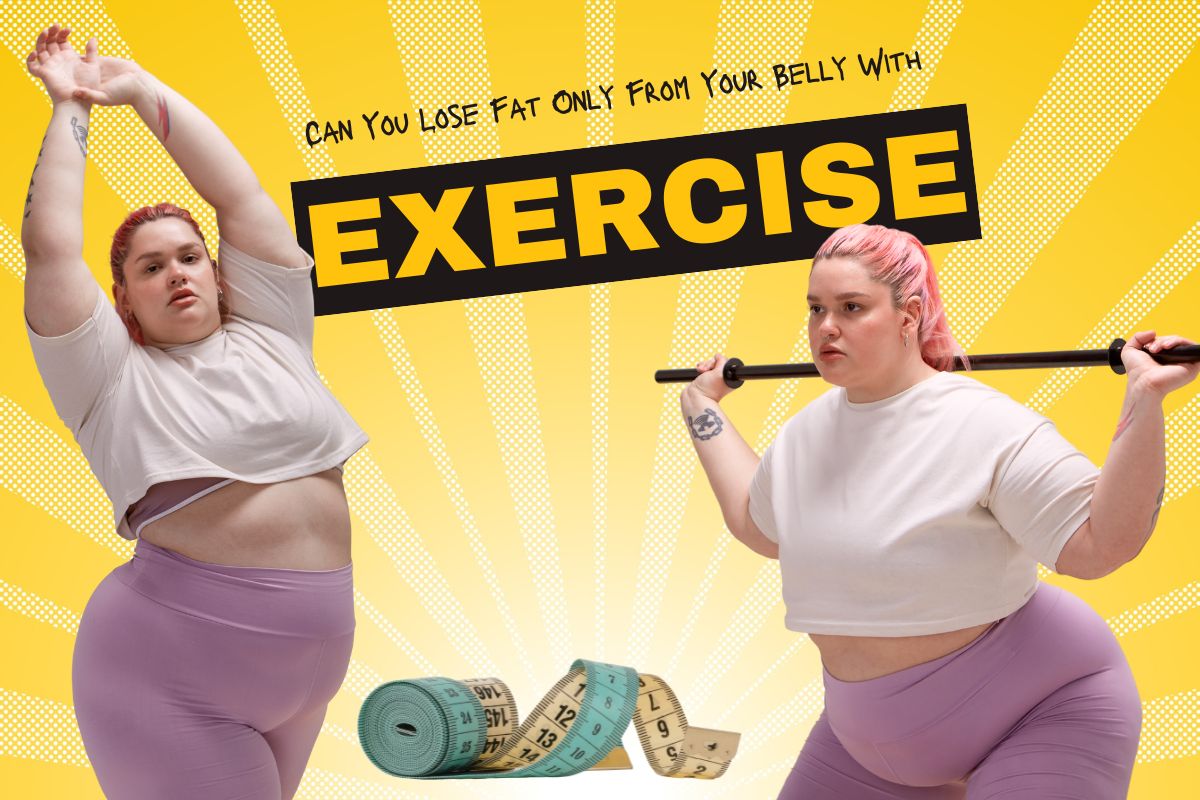
Picture this. It’s a rainy Tuesday in Birmingham, 6:00 AM. A guy named Gary is sweating buckets across his living room floor, smashing out his 200th sit-up that day. He has been doing this routine for three weeks now because he needs to shift the “spare tyre” he picked up over Christmas. It’s like Gary’s abs are probably getting rock hard under there, but his waistline hasn’t budged a millimetre. He’s frustrated, he’s sore, and he’s about to give up and order a sausage roll for lunch.
Gary is a victim of the biggest lie in the fitness world: the idea of “spot reduction”. We’ve all seen the flashy social media ads promising to “melt away abdominal fat” with one weird leg lift or a specific five-minute circuit. It’s a compelling story. We want to believe that if we work the muscle, the fat sitting right on top of it will just burn away like butter in a pan.
But here’s the cold, hard truth as of 2026. The human body doesn’t work like that. It never has. If you’re wondering, Can You Lose Fat Only From Your Belly With Exercise?, the answer is a resounding no. Science hasn’t changed its mind, even with all the new tech and “weight loss jabs” hitting the market this year. Fat loss is a whole-body event, and trying to target just your middle is like trying to take a bucket of water out of only the shallow end of a swimming pool.
Also read: Nutritional Value of Semi Skimmed Milk: Why It’s a Popular UK Choice
The Biology of the “Systemic” Burn
When you start moving, your body needs fuel. It looks at your fat stores—technically called triglycerides—and decides to break them down into energy. But here’s the catch: your muscles can’t “eat” the fat that’s right next to them.
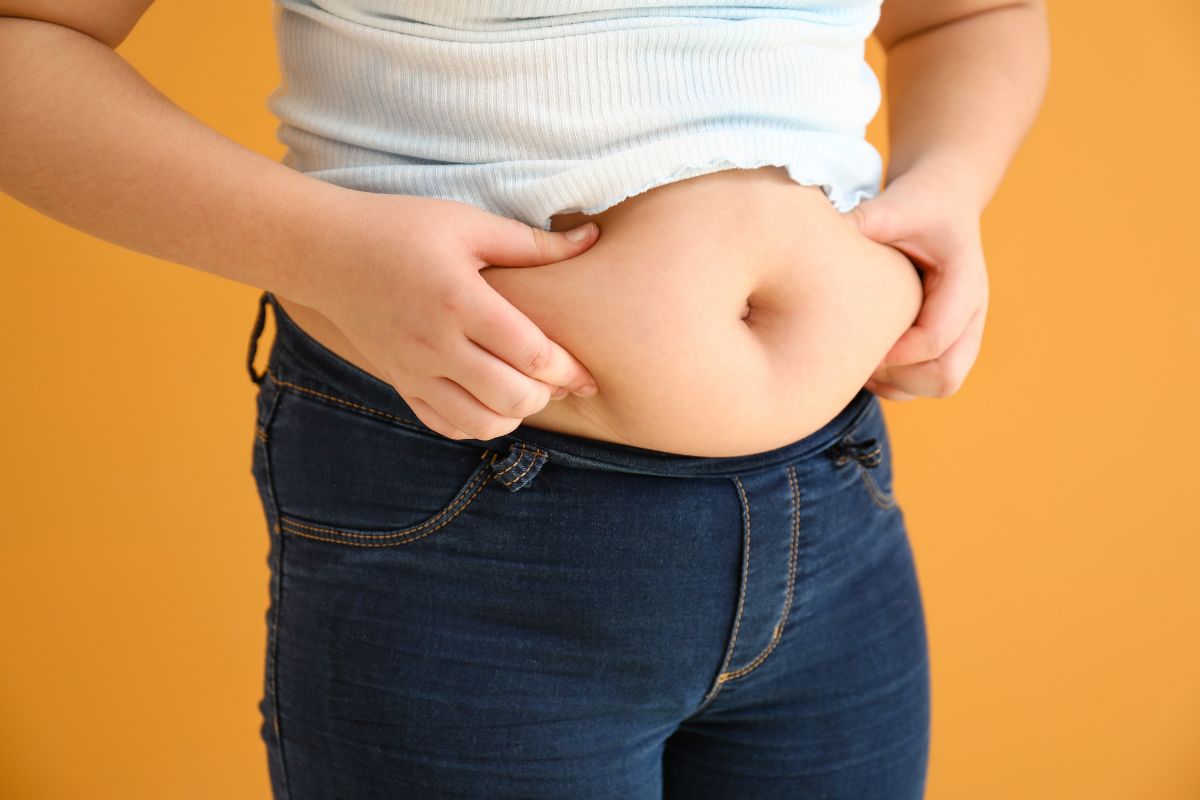
Instead, the fat has to be broken down into the bloodstream and carried to the muscles that need it. Your body draws this energy from your fat cells globally. Where that fat comes from first isn’t up to you; it’s up to your DNA. For most blokes in the UK, the belly is the first place fat arrives and the absolute last place it leaves. You might notice your face looking thinner or your wedding ring getting loose before you see a single change in your trouser size.
A massive systematic review published on PMC (PMC8137628) reconfirmed this exact point. They looked at thirteen different high-level studies and found that localized muscle training had zero effect on the fat in that specific area. You’re building the “six-pack,” sure, but you’re just hiding it under the same layer of insulation.
Also read: Does Sugar Actually Cause Hyperactivity in Children? What Research Really Shows
The 2026 “Constrained Energy” Twist
We used to think that if you just burned more calories through exercise, the fat would eventually vanish. But a fascinating study from the University of Bath in March 2026 has thrown a spanner in the works with something called the “Constrained Energy” theory.
Basically, the body is a lot smarter (and stingier) than we give it credit for. If you do an hour of intense “belly-blasting” exercise, your body often compensates by slowing down other things, like your non-exercise movement or even your immune system’s energy use. This is why you can’t just “exercise away” a diet full of Ultra-Processed Foods (UPFs).
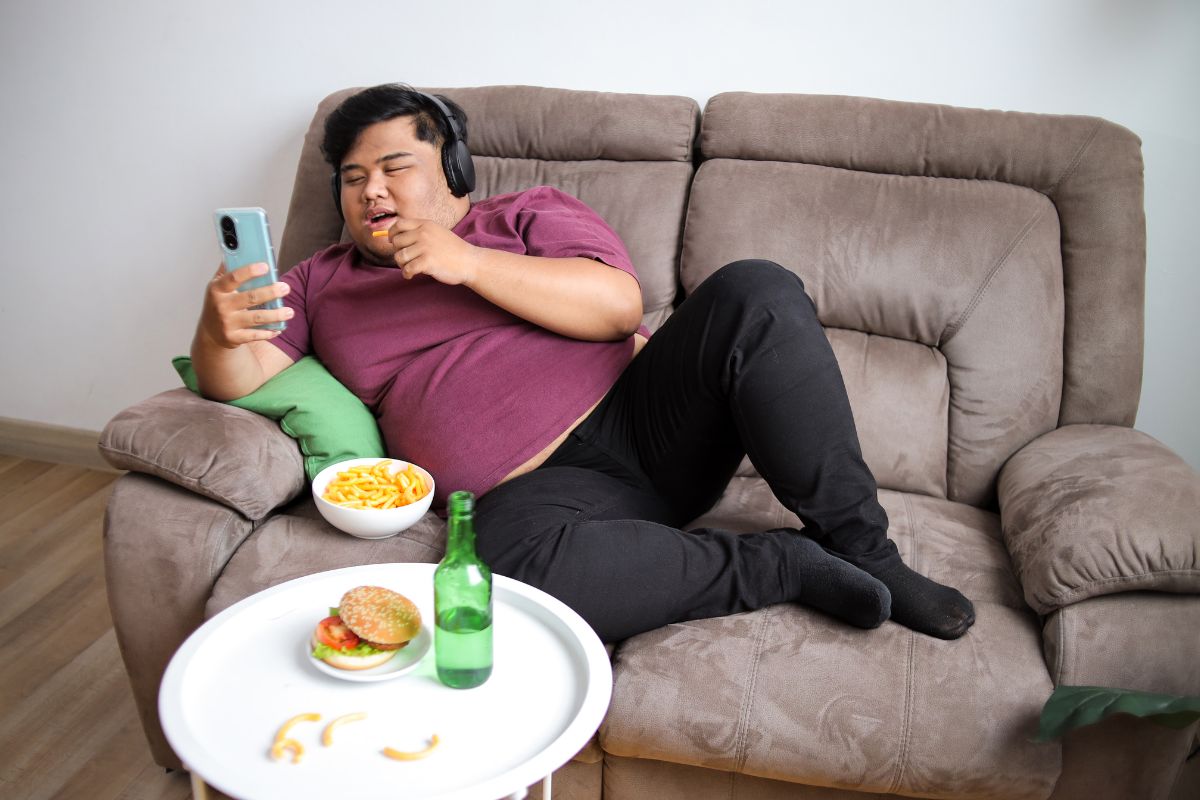
Latest data shows that these highly processed snacks are the real villains behind stubborn gut fat. They mess with your hormones—specifically insulin—making your body want to hoard fat around your organs. No amount of crunches can outrun a hormone system that’s being told to store every calorie it sees.
Also read: Do Collagen Supplements Actually Improve Skin Health or Is It Hype?
Visceral vs. Subcutaneous: The Fat You Can’t See
UK doctors are looking increasingly anxious in 2026 about the discrepancy between the amount of fat you can pinch (subcutaneous) and the “hidden” fat inside (visceral). The latest HMRC and NHS data suggest waist circumference—anything above 94cm for men or 80cm for women—is a huge red flag for type 2 diabetes.
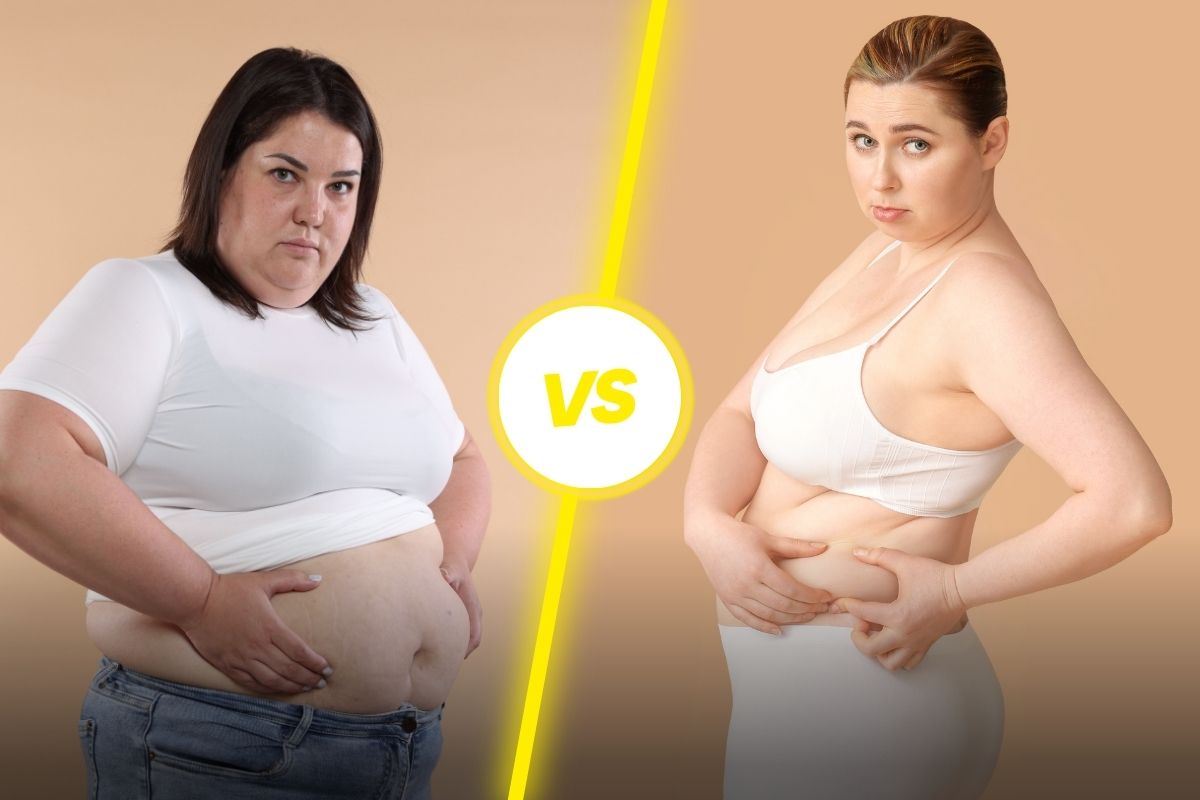
Although you can’t spot-reduce the “pinchable” fat, there’s a little good news. Aerobic exercise and High-Intensity Interval Training (HIIT) are particularly good at getting to this dangerous visceral fat first. It’s as if the body knows that stuff is toxic and tries to get rid of it as soon as you start moving. So, although Gary’s sit-ups aren’t helping his “pudding” belly look better, a brisk walk or a bike ride through London might be saving his life by clearing out the fat around his liver.
Also read: Facts Check: Does 5G Network Really Cause Health Problems?
The “Dad Bod” Trap and the London Commute
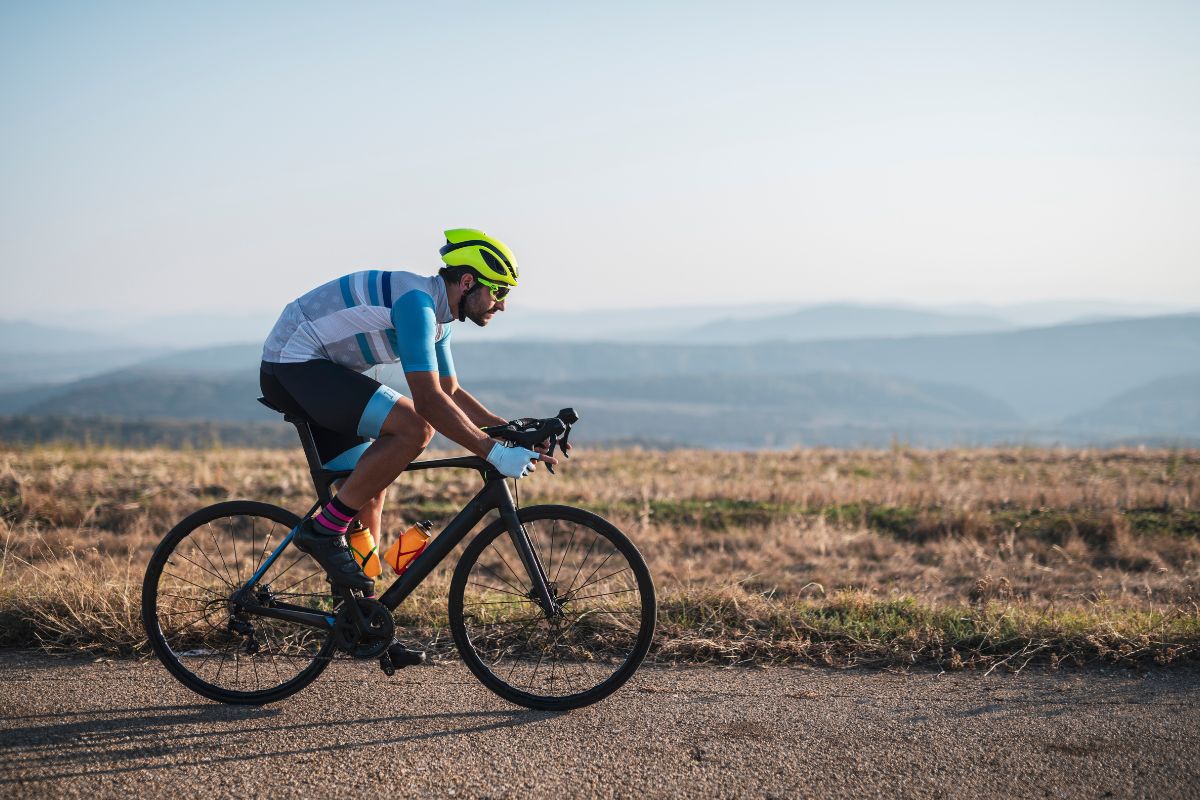
I see this all the time with my mates. Take my friend Dave. He cycles to work in the city every single day. He’s got great legs and decent cardio, but he’s still got a significant gut. Why? Because his lunch is usually a meal deal with a sugary drink and a bag of crisps.
Dave is a walking example of the “squat vs. crunch” reality. A heavy set of squats or a vigorous swim engages huge muscle groups, which sends a much louder signal to the body to burn fat than 500 crunches ever could. The more muscle you involve, the more “fire” you create.
Also, don’t sleep on… well, sleep. New data from Healthline in March 2026 suggests that getting about 7.5 hours of quality shut-eye is a “metabolic sweet spot.” If you’re stressed and sleep-deprived, your cortisol levels skyrocket, and cortisol loves nothing more than depositing fat right on your belly. You might literally be better off sleeping an extra hour than waking up early to do sit-ups.
Also read: Facts Check: Can Home Remedies Really Cure Cancer?
FAQ: Your Belly Fat Reality Check
Can you lose fat only from your belly with exercise?
No. You can’t tell your body which fat cells to use. It’s a systemic process governed by your genetics and hormones.
Are sit-ups a waste of time then?
Not at all! They build core strength, which is great for your back and posture. They just won’t “reveal” your abs unless you lose the fat layer through diet and cardio.
What about those “weight loss jabs” like Mounjaro?
As of 2026, the NHS is prescribing these for obesity, but the guidelines are strict. You still have to do full-body exercise and eat well. There’s no “magic jab” that targets only belly fat.
What’s the best exercise for a flat stomach?
Anything that gets your heart rate up and uses multiple muscles. Think swimming, rowing, or lifting weights.
The Fact-Check Verdict
VERDICT: FALSE. That you can target fat loss to only one area of the body is a myth that just won’t go away. After reviewing the British Heart Foundation updates and the latest 2026 clinical trials, the truth is: Can You Lose Fat Only From Your Belly With Exercise? The answer is no.
Exercise strengthens the muscle, but a calorie deficit and a reduction in ultra-processed foods are the only things that will actually shrink the fat cells on top of those muscles.
We all want the shortcut. But your body is a single, connected system. If you want a flatter stomach, let go of the worry over your abs and take stock of your plate and overall movement.
Anyway, the next time you see an influencer saying “one move to lose belly fat”, just remember poor Gary on his damp carpet in Birmingham. Don’t be a Gary. Take a walk, lift something heavy, and perhaps skip that second biscuit. Your heart (and your waistline) will thank you for it.
Sources and References
- PMC8137628 (May 2021/Latest Review 2026): The Effect of Abdominal Resistance Training on Abdominal Fat – A peer-reviewed systematic review confirming that localized muscle training does not reduce fat in that specific body part.
- British Heart Foundation (Jan 2026): What’s the best exercise to lose fat around your middle? – Official guidance confirming that spot reduction is impossible and focusing on aerobic health.
- University of Bath (March 2026): Metabolic Compensation in Human Subjects – New research into why the “calories out” part of the equation is often countered by the body’s energy-saving mechanisms.
- NHS England (2026 Update): Managing Visceral Fat and Diabetes Risk – Guidelines on using waist-to-height ratios as a primary health marker in 2026.
- Healthline (6 March 2026): The Sleep-Cortisol Connection: Why Rest is Vital for Fat Loss – New data highlighting the hormonal impact of sleep on abdominal fat storage.