Just when everyone in the UK thought it was safe to breathe out, here comes another big, bulky supermarket bill. It’s exhausting. We spent the last two years watching the news, waiting for the Bank of England to fix things, and hoping the price of a pint of milk would stop moving. Primarily, it worked for a minute there. But now, in May 2026, everything from a loaf of bread to a tank of diesel is on the way up again.
So what’s the deal? Why can’t we just get a break? To understand What Is Inflation and Why Are Prices Rising Again in 2026?, you have to look past the local high street. The real reason your weekly shop is creeping up is due to some massive, messy global supply chains and a very specific conflict in the Middle East that started earlier this year.
At a Glance: The 2026 UK Inflation Rate
Pull up the Office for National Statistics’ latest data, and it is all clear. At the moment, official UK Consumer Prices Index (CPI) inflation is at 3.3%. This is an increase from the 3% that we got back in February.
On paper, an extra 0.3% seems like a negligible amount, a tiny rounding error. But when your budget is already pushed to the absolute limit, that little increase is a proper kick in the teeth.
This sudden increase is mainly due to oil prices rising to $125 a barrel this spring. The Middle East conflict has obstructed shipping lanes and made the movement of goods around the world costly. When the cost of transport goes up, everything else on the shelf follows.
Also read: Facts Check: Will Mortgage Rates Rise Again In 2026 As Costs Surge.
How Inflation Actually Works
Let’s keep this simple. Suppose you go into the shop with a £10 note. And that tenner got you this particular pile of food last year. That same pile of food costs £10.33 this year due to inflation. That’s it. That’s the 3.3% increase. Your money has not changed, but its power is less.
The government tracks the value using something called the Consumer Prices Index, or CPI. The ONS examines a virtual “basket” of around 700 everyday items every month. And we refer to things that everyday consumers actually purchase: loaves of sliced bread, pints of lager, car insurance, and even smartphone data plans.
They compare the total cost of that basket to what it cost exactly twelve months ago. The percentage difference is your inflation rate. When it goes up, your wages need to go up, too, just to keep you in the same spot.
Also read: Can You Make £5,000 a Month Dropshipping in the UK? 2026 Facts Check
The Trouble in 2026: Why Prices Are Climbing Again
Earlier this year, the economic outlook had been reasonably rosy. The Bank of England was discussing whether to reduce interest rates. People were looking at their mortgages and thinking, “I may finally save a bit of cash!” But then everything changed.
The underlying cause of the new conflict in the Middle East started later, in late February 2026. This conflict caused the crude oil to hit $125 a barrel. Now, you may not drive a car, but high oil prices will impact all of us.
The lorry delivers 100% of the contents to your local Tesco or Sainsbury’s. That lorry runs on diesel. The haulage firm then passes on the increased diesel cost to the supermarket, which has to pay more for food delivery. The supermarket increases the price of your groceries to protect its profit margins.
It’s a domino effect. Higher oil leads to higher fuel costs, which lead to more expensive transport, which ends with you paying an extra 20p for your morning coffee.
Also read: Do Billionaires Really Pay Less Tax Than Ordinary People? Facts Check
The Problem With Food and “Sticky” Services
It’s not just the lorries, though. The latest data shows that food inflation hit 3.7% in March. Things like meat, fish, and soft drinks took the biggest hit. A lot of this comes down to basic supply chain pressures. Fertiliser for crops is made using gas. Packaging requires energy to produce. When energy is expensive, making food gets more expensive too.
Then you’ve got what economists call “services” inflation. This is the stuff that doesn’t involve shipping physical items around. It’s the cost of getting a haircut, buying a pub lunch, or paying your rent.
Services inflation sat at 4.3% in March. Why is it so high? Because over the last couple of years, businesses had to put up wages so their staff could survive the cost-of-living crisis. Higher wages are brilliant for workers, but the local cafe or pub has to make up that extra wage cost somehow. Usually, they do that by charging more for a pint or a Sunday roast.
Once those prices go up, they are incredibly “sticky.” A business owner will rarely drop their prices again, even if their own costs come down. They just get used to the new normal.
Also read: Did the UK Actually Start a 4-Day Work Week? Here’s the Ground Reality
What Is the Bank of England Doing About It?
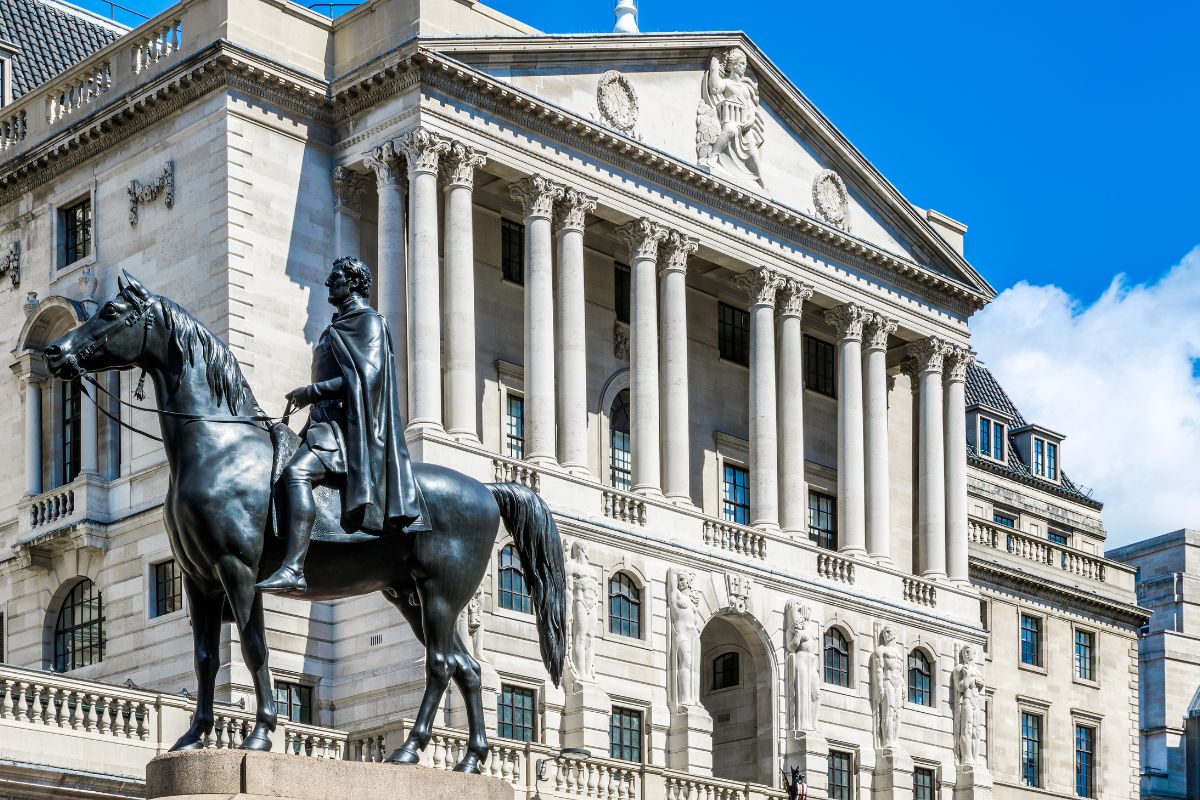
The Bank has a very blunt tool to deal with this: interest rates. At their meeting at the end of April, the Bank held the base rate at 3.75%. They’re keeping borrowing expenses on purpose.
The logic is simple, even if it feels a bit cruel. If your mortgage goes up by £200 a month, you have less money to spend in the shops. When people stop buying things, businesses can’t raise their prices anymore. They might even have to lower them to clear their stock. That drops the inflation rate.
The problem is that this takes time to work. The Bank’s April 2026 Monetary Policy Report suggests that if the energy market stays volatile, they might have to raise rates again. For anyone trying to get on the property ladder or remortgage this year, that is exactly what you don’t want to hear.
The Fact-Check Verdict
VERDICT: TRUE. The inflation rate has indeed gone back up in the UK. That early 2026 optimism that we had finished with extremely high prices was simply wrong. The world economy is too entangled, and the current Middle East crisis has taught us that energy prices can spoil a recovery before it gets started.
In the end, the knowledge of what inflation is and why prices are rising again in 2026 won’t cut down on the cost of shopping. But it does pinpoint where the extra pennies are heading. The situation is not a permanent crisis like the one we had a couple of years ago, but it means we aren’t out of the woods just yet. Expect budgets to remain tight for the rest of the year.
FAQ
Why doesn’t the government just cap prices?
Because price ceilings can cause shortages. If they are forced to sell milk at less than it costs, the farmers will give up milk production. Instead, the government relies on the Bank of England to use interest rates to cool down overall demand.
Is it safe to get a fixed-rate mortgage now?
It’s tricky. Their fixed rates are higher than a few years ago, with the Bank of England (BoE) keeping the base rate unchanged at 3.75%. If you expect inflation to pull back again later in the year, then a shorter two-year fix might be less risky than fixing for five years. However, it is always advisable for you to speak with an independent mortgage adviser before making any decisions.
Will my savings earn more interest now?
Yes, usually. When the Bank of England keeps rates high, high-street banks tend to offer better returns on savings accounts. It’s worth shopping around because some banks are much quicker at putting up mortgage rates than they are at passing interest on to savers.
What is the difference between CPI and CPIH?
CPI measures the price change of a standard basket of goods, while CPIH incorporates (effectively housing) costs such as council tax and buildings insurance. CPIH is, for many people, a better reflection of reality, as housing generally constitutes the largest monthly expense.
When will prices go back to normal?
They won’t. When inflation falls, prices don’t drop back to where they were in 2021. They just stop rising so quickly. The new, higher prices are here to stay; the goal is just to get your wages to catch up with them.
Sources and References
- BBC News – UK inflation: What is the rate and why are prices still rising? (Latest explanation and March 2026 figures).
- Office for National Statistics – Consumer Price Inflation Bulletin (March 2026) (Official CPI data).
- Reuters – UK inflation rises to 3.3% on Iran war impact (Detailed breakdown of energy and transport effects).
- Bank of England – Inflation and the 2% Target (Official definition and policy context).
- The Guardian – UK inflation likely to rise because of Middle East war (Government and economic commentary).
- KPMG UK – Economic Outlook: Impact of energy shock on inflation (Forecasts for 2026).
- Resolution Foundation – Macroeconomic Policy Outlook Q2 2026 (Analysis of sticky inflation and household impacts).