The period between 30 March and 4 April 2026 has been particularly busy for the fact-checking community across the British Isles. As social media algorithms keep prioritising engagement over accuracy, several high-profile stories have gained massive traction while being completely untrue.
The report calls out the top fake news in the UK this week, as deepfakes, “zombie” rumours, and political fabrications have influenced the national conversation. From supposed changes to iconic British chocolate brands to fictional shouting matches in the House of Commons, these are the verified myths that defined the last six days.
The Fictional Cadbury “Eid Mubarak” Rebranding
A storm brewed on social media platforms like X and Facebook this week regarding the supposed removal of the word “Easter” from Cadbury’s seasonal packaging. Viral posts alleged that the confectionery giant had swapped its traditional branding for “Eid Mubarak” boxes in the name of inclusivity. The outrage from some sections of the internet was immediate, but the story is complete fiction.
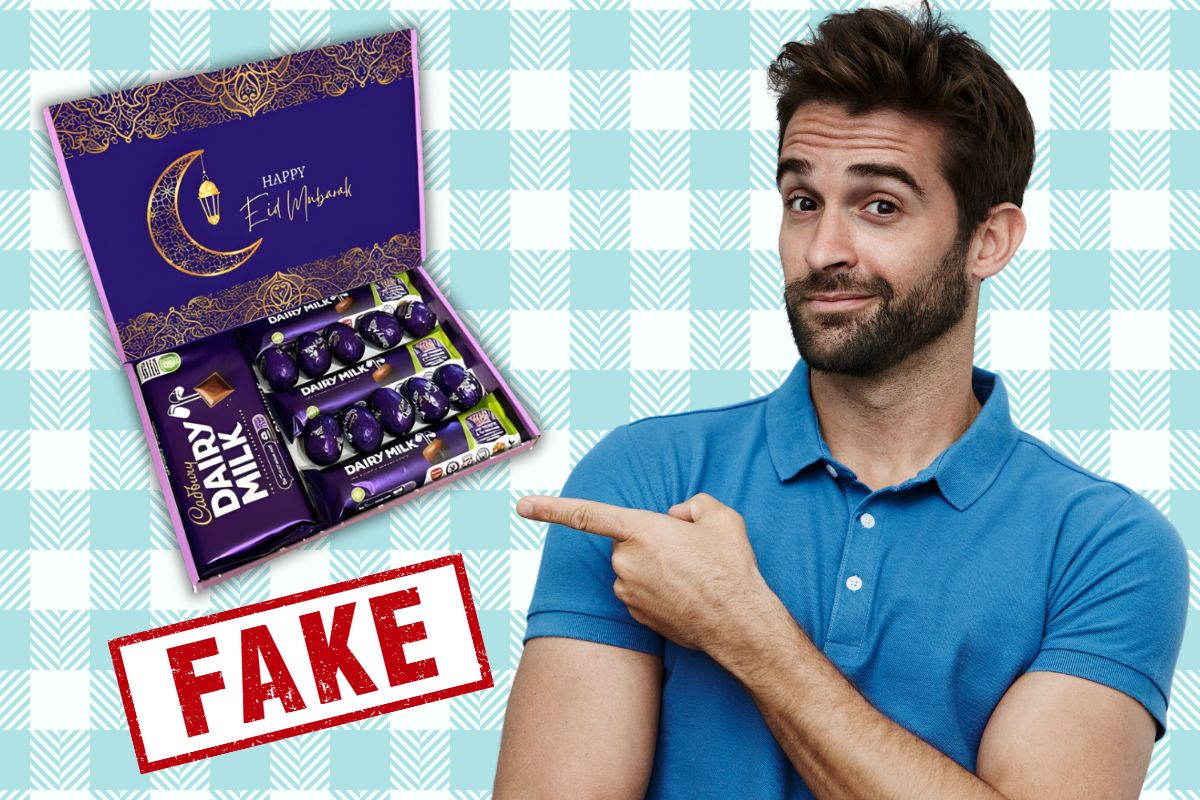
Full Fact fact-checking on 2 April 2026 reveals that Cadbury has not changed its official range. The confusion arises from independent sellers on sites such as eBay and Etsy, which offer customised sleeves for chocolate bars.
Mondelez International, which makes Cadbury products, confirmed that its official products still prominently feature Easter branding. It’s a classic case of a small-scale customisation being misrepresented as a national corporate policy.
Also read: Facts Check: Are All HBO Shows Now Available In The UK After Max Launch.
Plymouth’s Duke of Cornwall Hotel: Asylum Rumours
Local community groups in Plymouth and TikTok creators spent much of the week from 30 March to 4 April spreading a rumour that the historic Duke of Cornwall Hotel was being closed to the public. The claim was that the hotel had been requisitioned and was undergoing a secret refurbishment to house hundreds of asylum seekers.
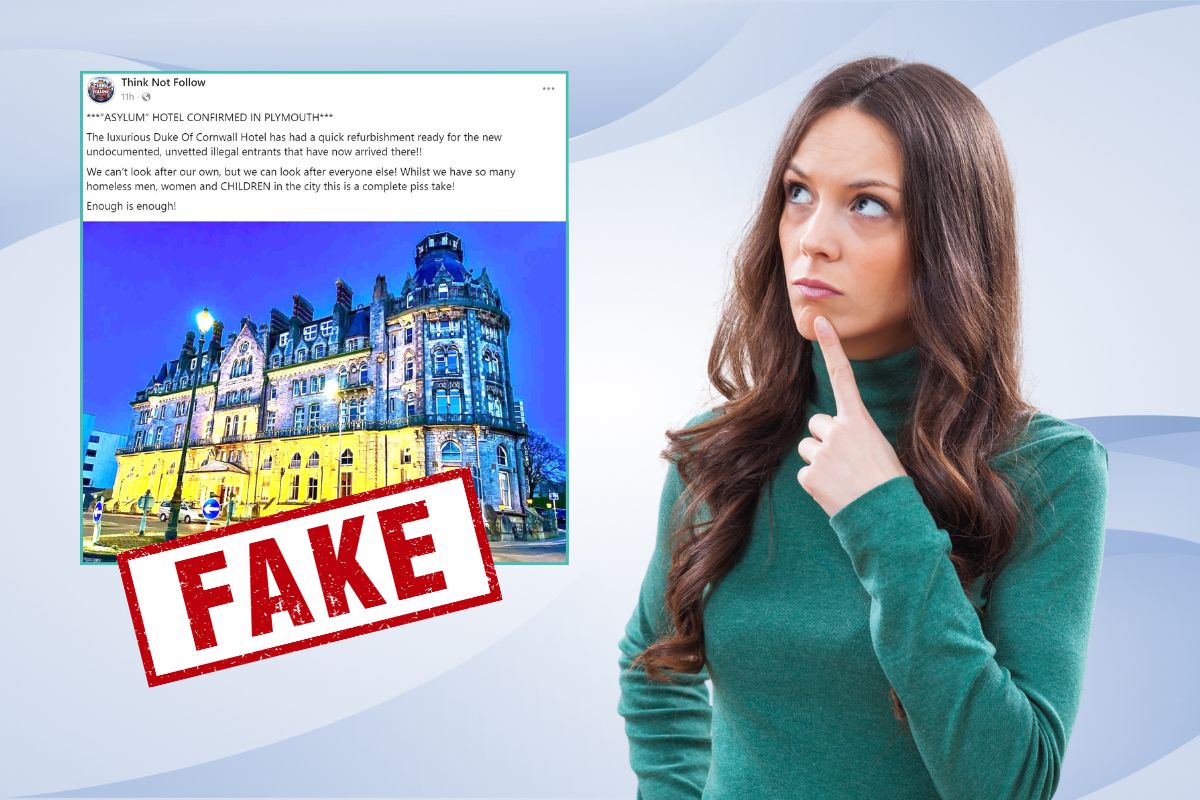
The reality is much more mundane. Full Fact confirmed on 31 March 2026 that the hotel remains fully open for regular guest bookings. The “secret” work being carried out was actually standard maintenance planned months in advance.
Local council authorities have also stepped in to clarify that no such plans exist. These types of “zombie” rumours frequently target heritage hotels to incite local tension, but this one has no basis in fact.
Also read: The Fast Lane of Global Heating: Is Global Warming Really Accelerating?
The Katie Hopkins “Commons Outburst” Deepfake
On 31 March, a video called ‘Katie Hopkins unleashes hell on Muslim MPs in the House of Commons’ began circulating claiming to show the controversial commentator berating them from the benches of Parliament. The footage was accompanied by a thumbnail image of the Commons chamber that looked professional, leading many to believe a genuine confrontation had occurred.
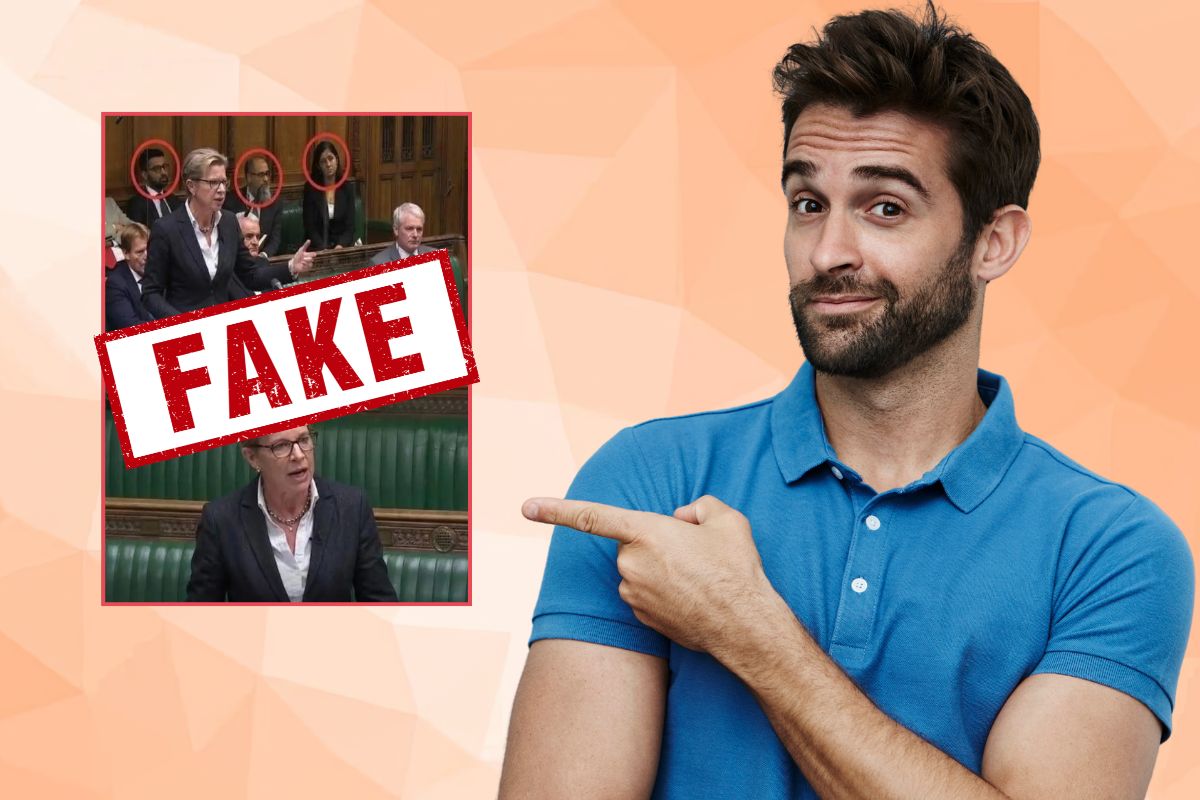
However, the logic falls apart quickly. Katie Hopkins isn’t an MP and has no legal standing to speak in the chamber. PA Media and Full Fact noted that the audio was actually lifted from a 2025 podcast recording and dubbed over stock footage.
A quick check of Hansard records, the official transcript of all UK Parliamentary business, confirms she hasn’t set foot on the floor of the House.
Also read: Facts Check: Why Is King Charles Visiting the US in 2026 and What It Really Means
The Fabricated Starmer and Lowe Confrontation
In another instance of political misinformation, a supposedly “leaked” transcript of a heated exchange between Prime Minister Keir Starmer and Restore Britain MP Rupert Lowe went viral. The text claimed Starmer threatened to “embarrass” Lowe on national television during a private session over his voting record.
This exchange is purely fictional. Verified reports from 31 March 2026 proved that this was a “copypasta” fabrication designed to stir political bias. There is no record of this interaction in the official Hansard reports for the week’s sessions. It’s a stark reminder of how easily text-based fabrications can go viral when they play into existing political rivalries.
The Boots Perfume Giveaway Phishing Scam
The most dangerous story in the Top Fake News in the UK This Week isn’t political but financial. Sponsored posts on Instagram and Facebook have been claiming that the retailer Boots is offering “Mini Perfume Sets” to people who fill out a short feedback survey. The ads frequently included video of influencers posing as if they were recommending the deal.
On 31 March 2026, Full Fact and Boots confirmed that the offer is a highly sophisticated phishing scam. The footage used in the ads was pilfered from real creators, and AI was used to mimic their voice in order to mention the giveaway.
Clicking the links doesn’t lead to a reward but to a site designed to harvest personal data and credit card details. Look, if an offer for free luxury goods seems too good to be true, it almost certainly is.
Also read: Is Meghan Markle Returning to the UK Royal Family? The Truth Behind the 2026 Rumours
How to Spot Misinformation

The methods used to spread fake news have become significantly more technical this month. Here’s what the current data suggests about staying safe:
- AI Voice Cloning: Many retail scams now use cloned voices of real celebrities to build trust.
- Fabricated Transcripts: Text-based “leaks” are often easier to fake than video, making them a common tool for political misinformation.
- Localised Rumours: Fake news often targets specific towns or landmarks (like the Plymouth Hotel) to make the story feel more urgent and personal.
Frequently Asked Questions (FAQ)
Why are Cadbury Eid boxes trending if they don’t exist?
Independent sellers create custom packaging for various holidays, and these images are often shared out of context to suggest the manufacturer has changed its official Easter branding.
Is there an official way to check if a Parliamentary exchange happened?
Yes. Every single word spoken in the House of Commons is recorded in Hansard. If it isn’t in Hansard, it didn’t happen in the chamber.
How can I tell if a Boots giveaway is a scam?
Boots only runs official promotions through its verified website and the Advantage Card app. Any “survey” hosted on a third-party domain is a red flag.
Who tracks the Top Fake News in the UK this week?
Independent organisations like Full Fact and BBC Reality Check monitor social media trends daily to provide verified debunks.
Closing Thoughts
The magnitude of misinformation between 30 March and 4 April indicates that the virtual space is more volatile than ever. Be it an attempt to steal your data through an unethical business deal – the fake “45 per cent off” perfume giveaway – or an effort to influence your political views with a phoney military transcript, the intent never really changes: to manipulate your reaction. Honestly, the best defence is a healthy dose of cynicism.
A 10-second source check can prevent you from falling victim to a scam or a lie with potentially long-lasting consequences. Going further into 2026, the technology creating these fakes will continue to improve. Keeping an eye on verified fact-checking outlets is not only a good idea; it’s pretty much essential for anyone who spends any time in the online world.
By the way, what’s the nuttiest story you’ve read in your feed this week? More often than not, it’s been debunked.
Sources and References
- Full Fact: Cadbury Eid Box Misleading Claim – Verification of corporate branding and independent seller confusion.
- Full Fact: Starmer-Lowe Fabricated Exchange – Proof that the viral Parliamentary transcript was fake.
- Full Fact: Plymouth Hotel Asylum Rumour – Statement on local property use and “zombie” rumours.
- PA Media: Katie Hopkins Commons Claim – Technical breakdown of the video dubbing and Parliamentary rules.
- Full Fact: Boots Perfume Giveaway Scam – Warning on the AI-driven phishing campaign targeting UK shoppers.