Quick Answer: In law, royals can vote in UK elections. In practice, the king and working royals never do, because strict political neutrality is a settled convention rather than a written rule.
Polling day arrives with leaflets, rosettes, and long queues outside village halls, yet one famous family stays firmly at home. No statute bars them from the ballot box. Tradition does the work instead, and it has held for well over a century.
- There is no law stopping the monarch or royals from voting.
- The King and working royals abstain to protect political neutrality.
- Non-working royals, such as Zara Tindall, are free to vote.
- Peers in the House of Lords still cannot vote in general elections.
- Royal engagements are paused during an election campaign.
Can Royals Vote in UK Elections? The Rules
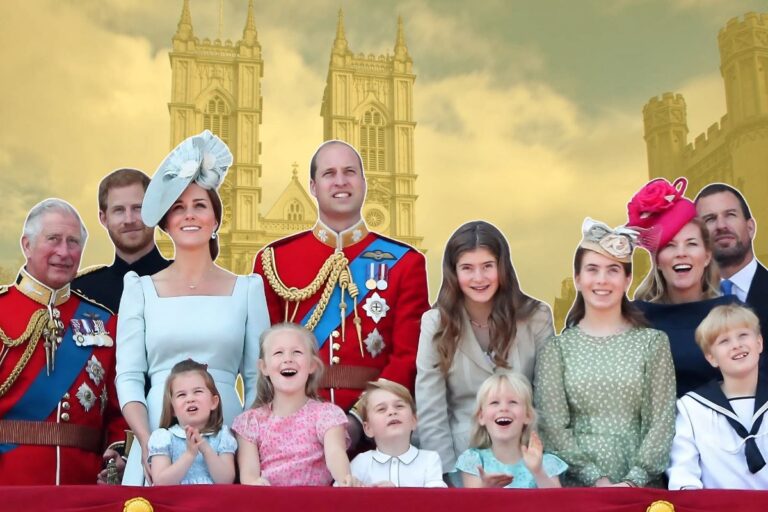
The Electoral Commission has confirmed that nothing in law prevents the Royal Family from voting. The bar is one of custom, however. As head of state, the King must work with whichever party wins, so any hint of a preference would cause problems the next morning.
Robert Blackburn, professor of constitutional law at King’s College London, told Time that the king and active royals could legally cast a ballot like any other eligible citizen but avoid doing so because it would spark “a furore of media speculation” and breach their duty of party political impartiality.
The official royal website explains that the head of state “has to remain strictly neutral with respect to political matters” and so cannot stand for election or vote.
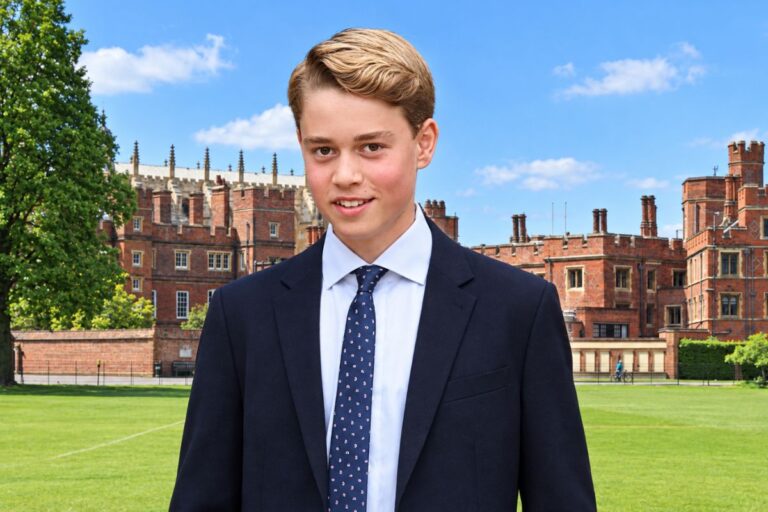
Also Read: Did Prince George Really Start Boarding School at Eton College at 13?
Why the Monarch Skips the Ballot Box
There is a second reason. Dr Craig Prescott, a constitutional expert at Royal Holloway, University of London, explained to Sky News that the King is expected to sit “above” politics and that members of the House of Lords have never been able to vote for MPs in the Commons. The monarch is part of Parliament too. Choosing MPs is a job for the public.
Nine reported the same logic from the other side: the monarchy must deal with foreign leaders of every stripe, so opinions stay private.
Who Can and Cannot Vote
| Who | Legal right to vote? | What happens in practice? |
|---|---|---|
| The King | Yes, technically | Never votes |
| Working royals (Queen Camilla, Prince William, and Princess of Wales) | Yes | Abstain by tradition |
| Non-working royals (Zara Tindall, Earl of Snowdon) | Yes | Unknown, not disclosed |
| Members of the House of Lords | No | Cannot vote for MPs |
| Registered public aged 18+ | Yes | Voting is not compulsory |
The 1999 Change That Lifted an Old Bar
For generations, senior royal men held dukedoms and therefore sat in the Lords. That blocked them from voting. Alastair Bruce, Sky’s events commentator, noted that when the family agreed in 1999 to stop sitting and speaking in the Lords, the technical bar fell away.
The House of Lords Act 1999 removed most hereditary peers from the chamber. Prince Philip, Duke of Edinburgh, Charles as Duke of Cornwall, and Prince Andrew, Duke of York, all gained the right for the first time. None used it.
Working Royals, Non-Working Royals and the Sussexes
The dividing line is employment, not blood. Royals with no official role face no expectation at all. Whether they turn up is simply never announced.
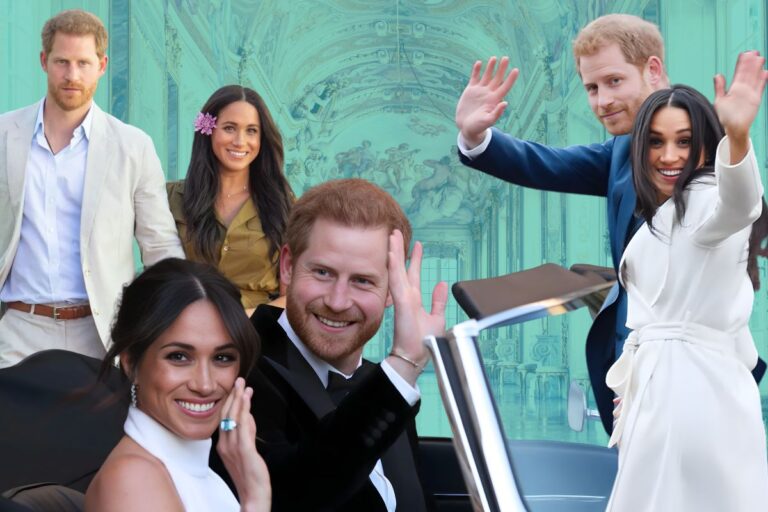
Prince Harry has said he has never voted in Britain. Meghan, the Duchess of Sussex, told an audience in 2020 that “he’s never been able to vote”, a point People revisited when she became the first modern British royal to vote in a US presidential election that November. She posted an “I Voted” photo again at the 2022 midterms.
Buckingham Palace stressed that Harry speaks personally, not as a working royal.
Other monarchies differ. In Belgium, King Philippe and Queen Mathilde abstained in the June 2024 election, while their four children, including Crown Princess Elisabeth, all voted.
Also Read: Do British Royals Hold a Formal Role in Church of England Events?
Purdah and the King’s Role at an Election
Campaign weeks bring “purdah”, a period of pre-election sensitivity. Visits that might look like comments on policy are shelved. Before the 4 July 2024 election, the Palace postponed engagements that might “divert attention or distract from the election campaign”, although Trooping the Colour still went ahead. Prescott called that statement a sign of “a new reign, a new approach” in an interview carried by Nine.
The king’s formal part is large but scripted. He dissolves Parliament on request, then appoints the leader who can command the Commons. He holds a private weekly audience with the Prime Minister, where he may advise and warn. Since becoming King in September 2022, Charles has appointed four prime ministers: Liz Truss, Rishi Sunak, Sir Keir Starmer and Andy Burnham.
A Short History of Royal Political Power
Royal muscle faded slowly. Queen Anne was the last monarch to refuse royal assent, blocking the Scottish Militia Bill in 1708. Queen Victoria still voiced party preferences in 1894.
In 1963, Queen Elizabeth II became involved in the process of appointing Alec Douglas-Home after Harold Macmillan resigned, at a time when the Conservatives had not yet adopted a formal leadership election. The episode helped reinforce the later convention that political parties, rather than the monarch, should determine their leaders. The Conservatives began electing their leader in 1965. She stayed famously silent thereafter.
Who Else Cannot Vote
You must be 18 or over, a resident, on the electoral register, and a British, Irish or qualifying Commonwealth citizen. Most convicted prisoners are excluded. EU nationals cannot vote unless they are Irish, Maltese or Cypriot. The old 15-year limit on expat voters was scrapped in January 2024. Photo ID has been required at polling stations since 2023.
Final Verdict
The custom is simple once you strip away the myths. Royals are not banned from voting; they choose silence. The monarch abstains because he must accept any government the public elects and because peers have never chosen MPs.
Working royals follow his lead. Relatives outside official duties may vote freely, though they keep it quiet. No election law needs changing for this to work, only a family willing to hold its tongue every few years.
Also Read: The Real Story of Prince Harry and Meghan Markle’s Royal Exit
Frequently Asked Questions
Can King Charles vote in a general election?
Ans: Legally yes, but he never does. Voting would clash with his duty to stay neutral and work with any elected government.
Is it illegal for the Royal Family to vote?
Ans: No. There is no statute banning it. Abstaining is a long-standing convention, confirmed by the Electoral Commission as custom rather than law.
Can Prince William and Catherine vote?
Ans: They can, but they do not. As working royals, they follow the king’s example and avoid anything resembling a political preference.
Can non-working royals vote in UK elections?
Ans: Yes. Relatives without official duties, such as Zara Tindall, face no restriction. Whether they actually vote is never made public.
Can members of the House of Lords vote for MPs?
Ans: No. Sitting peers are already part of Parliament, so they cannot vote for representatives in the House of Commons.
Why can’t Prince Harry vote in Britain?
Ans: He has never voted, reflecting royal convention. However, living in the US does not itself prevent a British citizen from voting in UK elections. Under rules introduced in 2024, eligible British citizens living overseas can register to vote regardless of how long they have lived abroad.
Sources & References