An order for an average English person includes eggs, bacon, and black pudding. For years, it was just the norm for breakfast. Nobody overthought it.
Then one day, some random people on the internet who woke up from their sleep said that black pudding is a “superfood”, and suddenly everyone became an expert.
Some people agree to this, and some do not. So, now the burning question is: is black pudding healthy?
- Black pudding is a rich source of iron and protein.
- It has been a favourite food staple of the people of Britain and Ireland for hundreds of years.
- Some varieties are low in carbohydrates.
- It can also be high in salt and fat.
- The word “superfood” is just a marketing tactic.
- Black pudding can be part of a balanced diet if it’s consumed in moderation.
What Exactly is a Black Pudding?
Black pudding is a type of blood sausage. It is made of beef blood, pork fat, oatmeal, oat groats, and barley groats.
Black pudding is one of the oldest forms of sausages. In the 15th century, when people used to slaughter animals, they used every part of an animal.
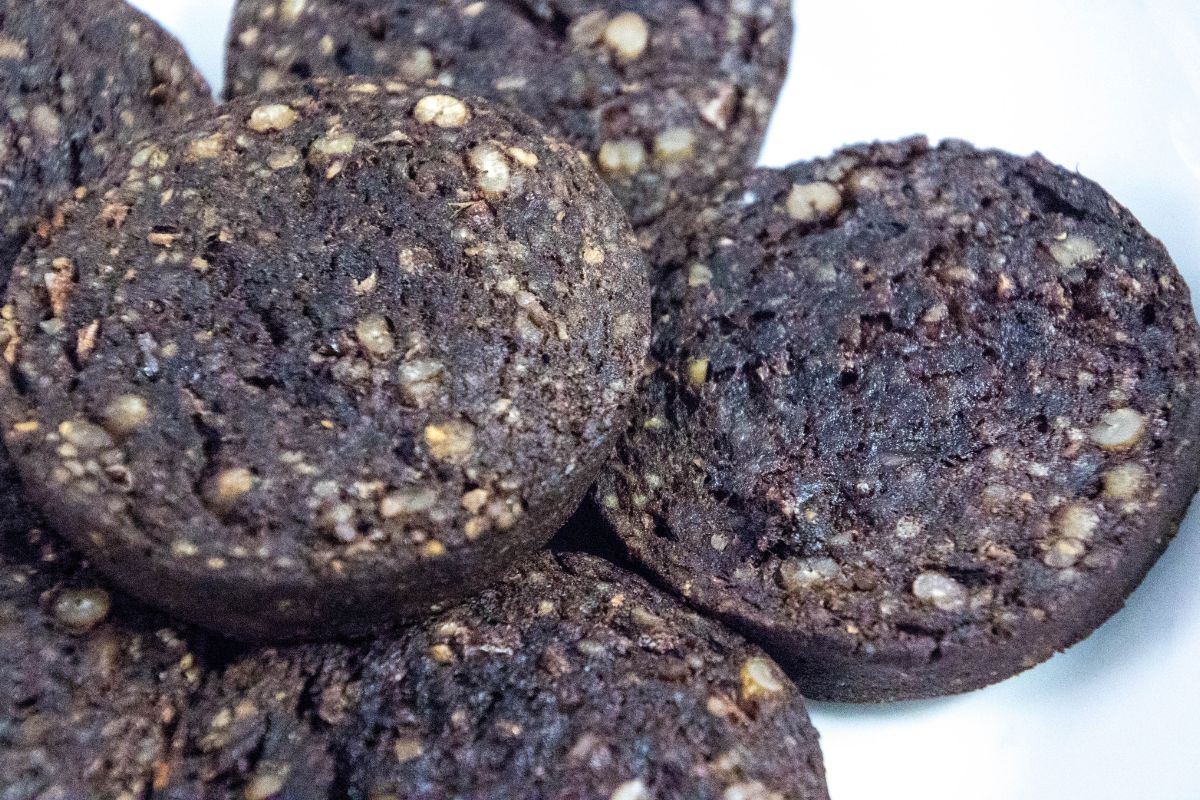
Nothing was wasted, not even a single drop of blood. Back then, oats were cheap and a common food in England and Ireland. So, people mixed it with the blood and meat to make black pudding.
You can say that black pudding came into existence because our ancestors hated wasting food. Interestingly, this is a sort of thing that foodies praise nowadays.
Also read: Does Black Coffee Burn Fat? Here’s What the Science Actually Says
The Food That Accidentally Became Fashionable
Black pudding has the weirdest food history. For decades, it was considered a traditional food. It was very common in cafés, local butchers, and family breakfasts.
In the year 2016, health and fitness retailers gave black pudding the label of superfood. Suddenly, this normal breakfast staple was on the menu of premium foods such as kale, blueberries, etc.
A lot of black pudding supporters basically shrugged and said, “We’ve known it’s good for years.”
Meanwhile, everyone else was taking it as a joke. Even The Guardian was amused by the idea of how this food became the health craze.
Also read: Can Lemon Water Cure Fatty Liver? Here’s the Truth No One Tells You
Why Do People Call It a Superfood?
The hype was not completely an empty claim. Black pudding does have good nutritional qualities. It has iron that helps make RBCs in the body.
A feature published by The Independent highlighted that black pudding contains haem iron, which is quite easy for the body to absorb compared to many plant-based sources of iron.
It also contains protein. This means you will be full for a while after eating it. It also contains minerals such as:
- Zinc
- Magnesium
- Calcium
- Potassium
Also read: The Real Benefits Of White Tea And Why People Are Switching To It
How Healthy is Black Pudding?
This is where most people debate with each other. When people ask how healthy black pudding is, they hope that they will get a simple answer.
Unfortunately, nutrition loves living in the grey area. No doubt, black pudding has many benefits, but it also has drawbacks.
The nutritional profile can be different, and it depends on the person who’s making it. Some versions of it have less fat than others. It can be high in fat and salt.
And if you eat large amounts of it on a daily basis, fat and salt can pile up in the body.
The Good Food pointed out that black pudding is fine as an occasional food but probably not something you eat every day.
Also read: Facts Check: Can Lemon Water Really Detox Your Body?
Is Black Pudding Healthy for Weight Loss?
People search for it a lot on Google and on AI as well. If you ask me, the answer is not simple.
On one hand, the protein content is very helpful for the body. Protein can satisfy your craving for food.
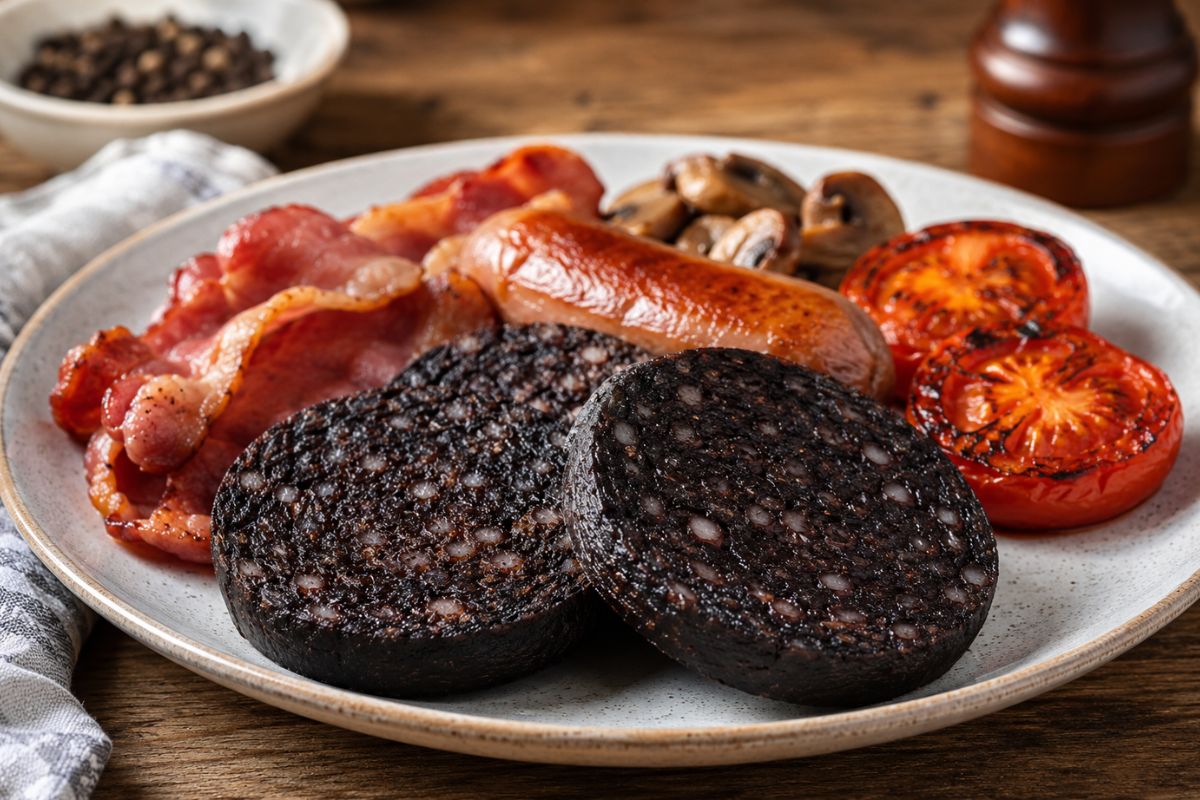
On the other hand, some black puddings have very low carbohydrates, which is why they are popular among low-carb eaters.
Then come the calories. If there is more than one slice of black pudding with poached eggs and grilled tomatoes, it’s fine. However, a big fry-up with black pudding with extra bacon, sausages, fried bread and excess butter can easily put some weight on you.
So, in terms of weight loss, there is no definite answer.
Also read: Can You Lose Fat Only From Your Belly With Exercise? Facts Check
What Does It Actually Taste Like?
People who eat black pudding daily often describe its taste as rich, savoury and slightly peppery.
The oats give it texture, and the seasoning gives depth. A quality black pudding has a crumbly texture.
There is one more interesting thing about it: people who eat it once tend to stay loyal for life.
Also read: Does Sugar Actually Cause Hyperactivity in Children?
The Fact-Check Verdict
So, after all the flashy headlines and all the superfood claims, what’s the truth? Black pudding is healthy. It’s a powerhouse of protein, iron, and minerals. The benefits are real.
But let’s not get carried away.
Black pudding is still a processed meat. Depending on how you make it, it can have a good amount of fat and salt.
The members of the Black Pudding Club have declared black pudding the best. Keep in mind that no food deserves superhero status.
Sources and References:
- Black Pudding Club – The members of this club believe black pudding is the best food.
- Good Food – Black pudding is fine to eat if you eat it occasionally.
- The Guardian – Everyone was amazed when the black pudding suddenly got popular.
- Independent – Black pudding has haem iron, which is quite easy for the body to absorb compared to plant-based sources of iron.