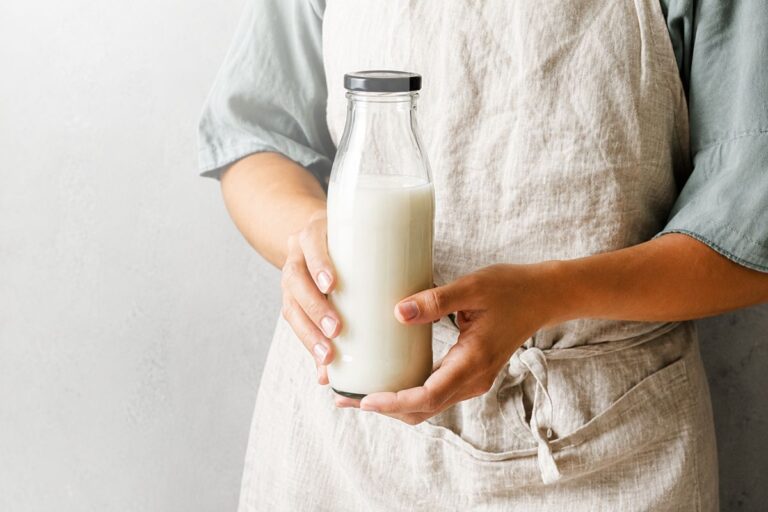
Quick answer: Yes. Muscle growth is driven by total daily protein intake, progressive resistance training, and adequate calories — not by the source of that protein. Whole foods like eggs, chicken, fish, dairy, lentils, and tofu can meet the same protein targets as a shake. Protein powder is a convenience tool, not a biological requirement.
That short answer is backed by a wave of nutrition science, sports-medicine guidance, and consumer-safety reporting that has picked up steam through the first half of 2026. Below is a deeper look at why the “you need a shake to grow” myth persists, what recent studies and expert panels are actually finding, and how to structure a shake-free muscle-building diet that holds up under scrutiny.
- Protein source doesn’t matter — once digested, all protein breaks into the same amino acids, so a shake offers no advantage over whole food.
- Total daily intake is what counts, roughly 1.4–2.2 g/kg body weight, easily hit through 3–4 protein-rich meals.
- Progressive resistance training and enough calories drive muscle growth more than any single nutrition product.
- Recent testing found lead and other heavy metals in most protein powders, giving a real safety reason to lean on whole food.
- A 2026 whey supply crunch has pushed shake prices to record highs, making food-first diets more cost-effective.
- Shakes still have a place — convenience, low appetite, travel — but they’re optional, not necessary, for building muscle.
The Core Science: Your Body Doesn’t Care Where Protein Comes From
Once protein is digested, it’s broken down into the same amino acids regardless of whether it came from a scoop of whey isolate or a chicken thigh. Your muscles rebuild themselves from that shared amino acid pool, not from the packaging the protein arrived in.
A 2026 position stand from the American College of Sports Medicine, which synthesized 137 systematic reviews covering more than 30,000 participants, reinforced a point sports scientists have made for years: progressive resistance training — not any single nutrition product — is the primary driver of gains in muscle size and function, and higher weekly training volume tends to produce more hypertrophy. Protein intake matters enormously, but the research consistently frames it as a total-daily-intake question rather than a which-product question.
The updated 2026–2030 U.S. Dietary Guidelines put general protein needs at roughly 1.2 to 1.6 grams per kilogram of body weight per day, with active adults who train regularly needing more — commonly cited in a 1.4 to 2.0 g/kg range, and some sports-nutrition sources pushing that as high as 2.2 g/kg for people actively trying to build muscle. For a 150-pound (68 kg) person, that works out to roughly 80–150 grams of protein a day depending on training intensity and goals — a target easily reached through meals alone.
Also Read: Is Black Pudding Healthy? Let’s Settle the Debate for Good
Why the “Shake Myth” Took Hold in the First Place
Protein shakes earned their reputation for a practical reason: they’re fast, portable, and take the guesswork out of hitting a number. A shake also delivers a concentrated dose of protein in a small volume, which is genuinely useful for people who struggle to eat enough food to support a calorie surplus, or who need a quick option immediately before or after training.
But convenience got mistaken for necessity somewhere along the way, helped along by decades of supplement marketing that implied gains were impossible without a shaker bottle. Sports dietitians have pushed back on this framing consistently through 2026, noting that people built serious muscle mass for generations before powdered protein existed as a consumer product.
What’s New in 2026: Three Trends Reshaping the Conversation
1. A Broader Reassessment of Ultra-Processed Protein Products
Protein powders, bars, and shakes are, by manufacturing definition, ultra-processed foods — the proteins are isolated and stripped from their original food matrix, then reconstituted with sweeteners, emulsifiers, and flavoring systems. Nutrition experts writing throughout mid-2026 have pointed out that this processing means shakes deliver protein without the vitamins, minerals, and fiber that come packaged with whole-food protein sources.
Some researchers now argue for treating ultra-processed subcategories differently rather than lumping all UPFs together — a 2026 technical report backed by academics from several major U.S. universities found that certain processed categories, including some plant-based products, don’t carry the same health risks as others. Even so, the general dietary advice for anyone trying to optimize body composition and long-term health still leans toward getting the bulk of daily protein from minimally processed foods, using shakes as a supplement rather than a foundation.
2. Heavy-Metal Contamination Concerns
This is one of the more consequential developments of the past year. Independent testing organizations, including Consumer Reports and the Clean Label Project, found detectable lead in the vast majority of protein powder and shake products tested, with some single servings containing enough lead to push a woman of childbearing age over the FDA’s recommended daily exposure limit. Roughly half of the products tested in a related analysis exceeded at least one state or federal safety threshold for lead, cadmium, mercury, or arsenic. These findings don’t mean occasional shake consumption is dangerous, but they’ve added a genuine, evidence-based reason — beyond just “whole food is better” — for people to lean on food first and treat powders as an occasional convenience rather than a daily staple.
Also Read: Does Black Coffee Burn Fat? Here’s What the Science Actually Says
3. A Global Whey Supply Crunch
On the industry side, 2026 has brought a significant whey protein supply disruption. Industry analysts point to a bottleneck in the specialized filtration and membrane infrastructure needed to convert liquid whey into whey protein concentrate and isolate — not a shortage of milk itself — which has pushed whey isolate prices to record highs. That’s driven a structural shift toward pea protein and other plant-based alternatives, and it’s made shakes noticeably more expensive in several markets worldwide, which only strengthens the financial case for building a diet around whole-food protein sources.
Building Muscle Without Shakes: The Practical Framework
You don’t need a complicated system, just consistency across four areas.
Hit your daily protein number with real food. Eggs, poultry, fish, lean beef, Greek yogurt, cottage cheese, tofu, tempeh, lentils, and beans are all efficient, affordable protein sources. Spreading protein across three to four meals — roughly 20 to 40 grams per meal — supports muscle protein synthesis more effectively than trying to load it all into one sitting.
Eat enough total calories. Muscle can’t be built in a significant calorie deficit no matter how much protein you eat. If your goal is size and strength, you generally need to be at maintenance or in a modest surplus.
Train with progressive overload. Gradually increasing weight, reps, or volume over time is what actually signals your body to adapt. Nutrition supports this process; it doesn’t replace it.
Prioritize recovery. Sleep and rest days are when muscle repair actually happens. No amount of dietary optimization compensates for chronic under-recovery.
When a Shake Still Makes Sense
None of this means shakes are bad. They remain genuinely useful in specific situations: when you’re traveling, when your appetite is low but your calorie or protein targets are high, immediately post-workout if eating a full meal isn’t practical, or for people who simply find liquid calories easier to manage. The evidence-based position isn’t “shakes are harmful,” it’s “shakes are optional.” Choosing whole food as the default and shakes as the backup tends to produce better satiety, more micronutrient coverage, and, per recent testing data, less exposure to contaminants — while still hitting the same muscle-building protein target.
Also Read: Can Lemon Water Cure Fatty Liver? Here’s the Truth No One Tells You
Frequently Asked Questions
Do I need a fast-digesting protein right after my workout?
Not as much as older “anabolic window” advice suggested. Total protein intake across the full day matters more than the speed of absorption around a single workout.
How much protein do I actually need without supplements?
Most people building muscle should aim for 1.4–2.2 grams per kilogram of body weight daily, achievable through three to four protein-rich meals.
Is protein powder unsafe because of the lead findings?
Occasional use isn’t likely to be dangerous for most healthy adults, but frequent, heavy daily use increases cumulative exposure. Choosing third-party-tested brands and not relying on powder as your only protein source reduces the risk.
Can vegans and vegetarians build muscle without shakes?
Yes, using combinations of tofu, tempeh, seitan, lentils, beans, quinoa, and soy milk, though they should pay closer attention to total protein volume and micronutrients like B12, iron, and zinc.
Sources & References:
- Consumer Reports / Clean Label Project (via EWG) — heavy-metal testing in protein powders
- Global Protein Market Report 2026–2036 (PRNewswire, June 8, 2026) — whey supply crisis and pricing
- Men’s Journal — nutritionist commentary on whole-food protein vs. shakes
- “13 Foods That Are Better for You Than a Protein Shake, According to Dietitians”